
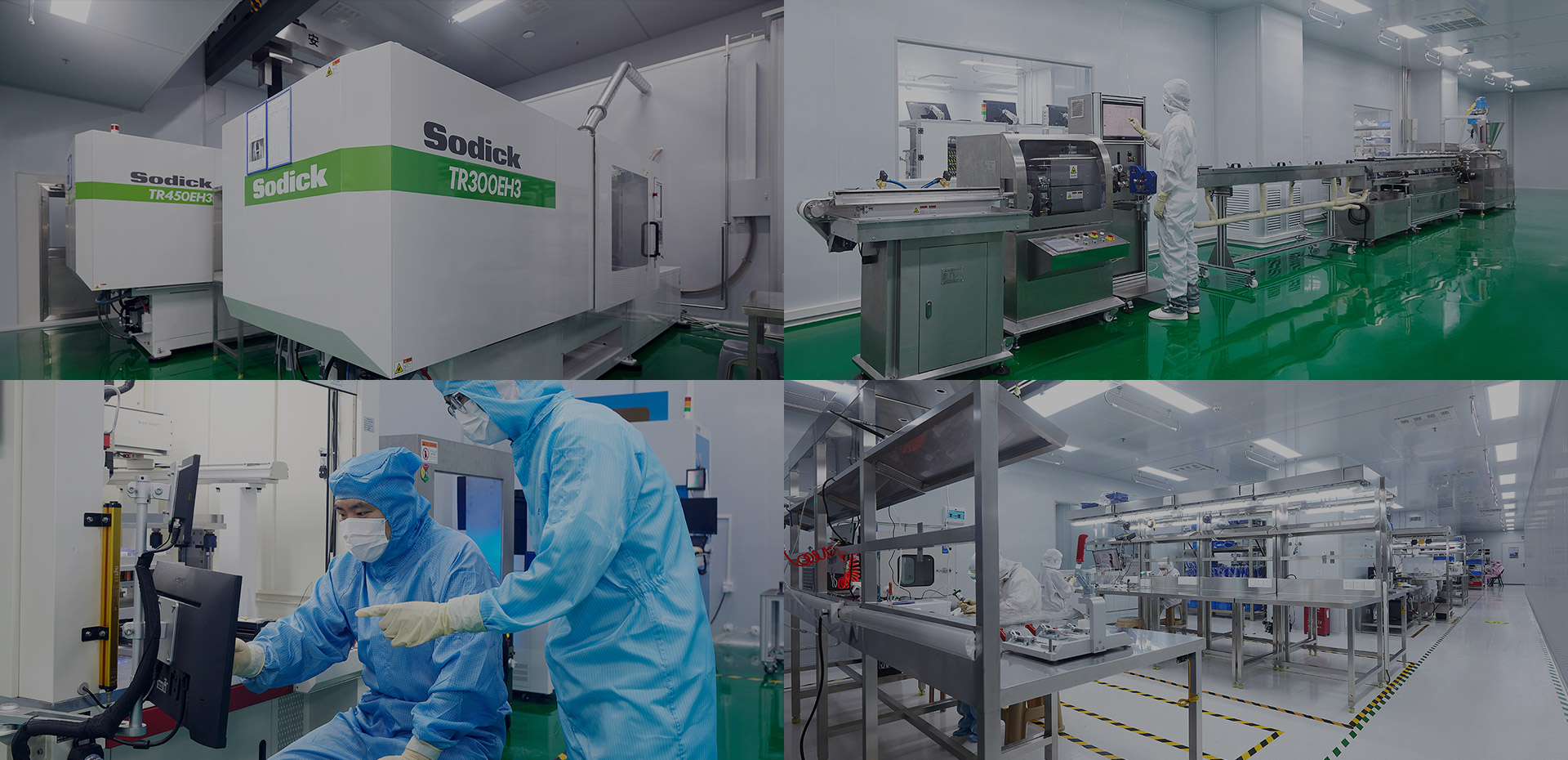
Opening: the problem at the line
Small faults compound. A design change late in planning, a mis-specified conveyor, or a gap in traceability suddenly stops throughput and risks compliance. Teams that confront these problems early reduce scrap and regulatory headaches. When manufacturers ask for pragmatic help, they often look for focused partners and clear scope, such as medical device engineering services, not vague promises.
Core problems teams face
Schedules slip because risk and requirements aren’t aligned with the physical line. Automation gets added as an afterthought, creating brittle processes. Quality checks are manual or fragmented, so defects escape detection until late. These are avoidable. Name the problem, measure its impact in hours or defect rate, then treat it directly.
Planning that prevents rework
Start with functional modules: incoming inspection, pre-assembly, primary assembly, verification, packaging. Define acceptance criteria for each module and map data flows. Use simple prototypes to validate hand-offs before committing capital. Avoid large monolithic designs that lock you into one supplier. Allocate time for protocol validation and change control; skipping these invites extended rework.
Automation: common failures and sound choices
Automation fails when it’s specified to meet peak-case throughput rather than average use or when sensors and fixtures aren’t tested under real parts variation. Choose automation that allows manual override and incremental deployment. Prioritize repeatable alignment and quick tool change. Invest in modular control architectures and standard communication protocols so future upgrades don’t require a full rewrite.
Quality control: what typically breaks
Quality systems break at interfaces. Incoming material data aren’t linked to lot records. In-line inspection tools lack calibration routines. Software logs are incomplete or stored separately from production records. Set up a single source of truth for traceability. Automate calibration reminders. Design inspection points where defects are cheapest to fix, not where they’re visible.
Experience, evidence, and a real-world anchor
Practical experience matters: teams in the Boston–Cambridge medtech cluster have repeatedly shown that tight early integration between design and manufacturing reduces time-to-market for Class II devices. That integration should explicitly connect device design and process validation to the engineering pipeline; teams call this practice medical device r&d. Use peer-reviewed device case studies and regulatory summaries to validate assumptions, and log decisions so auditors can follow the thread.
Pitfalls to avoid
Don’t accept one-time fixes. Don’t let suppliers define final test criteria without your QA sign-off. Don’t equate higher automation with higher quality—incorrect automation amplifies defects. Don’t delay operator training until go-live. Plan validation runs with actual assembly staff and available components.
Checklist for the first 90 days
1) Map processes and list acceptance criteria per station. 2) Run a short pilot with real parts. 3) Validate inspection tolerances and sensor robustness. 4) Confirm data traceability and storage policies. 5) Freeze change control for critical tooling and document deviations. These tasks reduce surprises and give measurable milestones.
Synthesis
Face problems precisely: identify the specific failure, measure its impact, act on the smallest change that removes the biggest risk. That discipline drives production lines that meet throughput and regulatory needs while remaining adaptable. For teams that need focused engineering and a steady hand through planning, automation choices, and quality validation, kingsin offers practical alignment between design intent and production reality.