
Problem: Decision gridlock at the plant gate
Managers face a simple, sharp problem: production needs steady heat, budgets demand efficiency, and regional fuel realities pull choices in different directions. That tension stalls projects. Some teams lean toward a cleaner option and consider a gas fired burner, others stay with heavy fuel oil because supply chains are familiar. The result is months of study without forward motion.

Why this stalls projects — five root causes
Teams mismatch expectations with reality. Estimates ignore installation complexity. Regulatory teams flag emissions, but procurement still picks cheapest components. Operations underestimates fuel-conditioning needs. Engineering overlooks controls integration. Each mismatch becomes a hidden cost that compounds during commissioning and first-year operation.
Real-world anchor and what it teaches
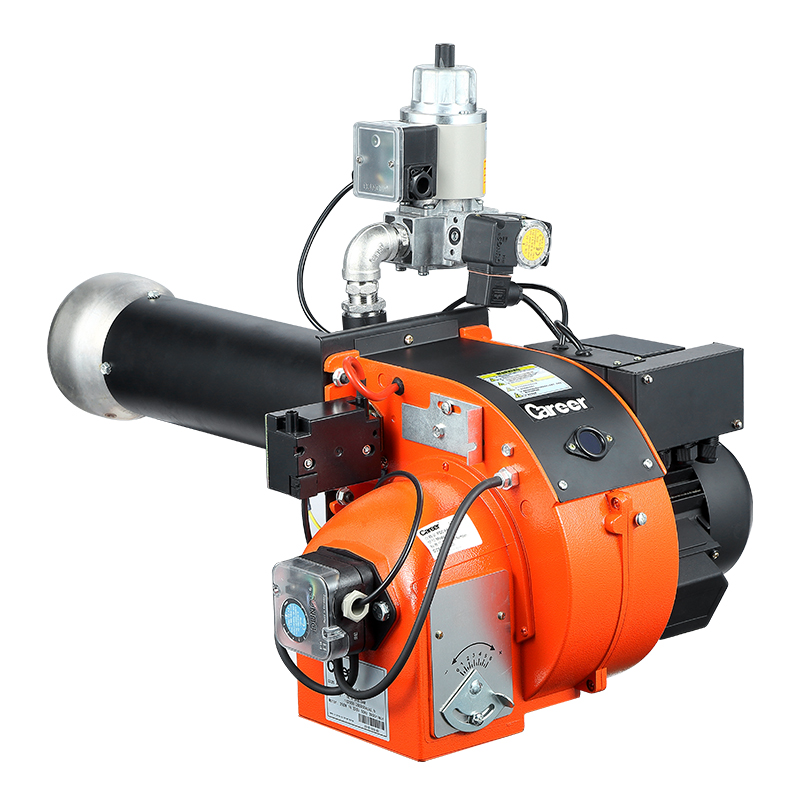
Refinery retrofits around Houston, Texas show the pattern: projects that budget only for equipment fail when site-specific flue-gas handling and controls work require design changes. Field teams who leaned on a proven gas furnace burner spec and a short commissioning plan got systems online faster and with fewer emissions exceedances. That practical lesson underlines two realities: regional fuel logistics matter, and tested burner specifications reduce rework.
Selection checklist that prevents late surprises
Pick burners by matching four measurable items: heat duty and peak load, turndown ratio, fuel conditioning (viscosity and preheat needs), and control-system compatibility. Verify turndown with factory curves; don’t accept vague claims. Demand emissions performance by design load and ask for guaranteed NOx and CO limits. Confirm spare parts lead times in your region before signing purchase orders.

Common technical pitfalls and how to avoid them
Ignoring fuel-preheat requirements causes poor atomization and smoky starts. Skipping draft analysis invites soot and premature refractory wear. Adopting multi-stage controls without staged fuel pumps creates hunting. To avoid these: specify proper fuel heaters, mandate stack draft testing, and require staged fuel flow diagrams as part of the vendor submittal package.
Installation and commissioning: practical rules
Insist on factory-trained technicians for first light. Verify piping layouts against the burner vendor drawings—small deviations create big tuning problems. Use combustion analyzers during commissioning to document baseline settings and produce tuning certificates. Don’t accept “near enough” on air-fuel ratios; loggers prove you reached stable operation under load cycles.
Maintenance, training, and parts strategy
Set a maintenance cadence tied to hours and operating cycles, not calendar alone. Keep a short list of critical spares on site: electrodes, nozzles or atomizers, seals, and control modules. Train two operators and one supervisor deeply; institutional knowledge vanishes with staff turnover. Build a local service contract for annual tuning and emissions re-checks.
Synthesis: a clear path to reliable adoption
Stop treating burner adoption like a paper exercise. Define the operational problem first, verify regional fuel realities, require tested burner specs, and enforce commissioning that proves performance. Those steps cut rework, lower emissions risk, and get heat into production predictably — the practical outcome teams need and the kind of steady support Career Burners helps deliver.