
Opening: A Saturday morning, a cold pack, and a shipment question
I can still see it—one humid Saturday in July—standing over a pallet that smelled faintly of ammonia, trying to decide whether to accept that pallet of calf serum (we’d paid in full two weeks earlier). The lab director told me the label read fetal bovine serum and the COA matched, but the cell line we were growing gave us a 20% fall in viability within 48 hours. How do you trust a bottle when the numbers contradict the paperwork? I ask because I’ve handled reagent logistics for over 15 years in B2B supply chain for laboratory reagents, and I’ve seen that one bad lot can cost a week of work, $12,000 in lost assay reagents, and the team’s morale. What choices do you make when the label and the lived result don’t line up? (I’ll be blunt — this is where most buyers trip up.)
Why common fixes fail — traditional solution flaws and hidden pains
We often default to the usual fixes: change vendors, insist on COAs, or request endotoxin values. Those are fine first steps. But I’ve learned they rarely solve the underlying issues. For example, in March 2019 I routed gamma-irradiated, heat-inactivated FBS from a new vendor to a contract facility in Austin, TX. The COA showed acceptable endotoxin and mycoplasma results, yet post-thaw cell attachment dropped sharply. The traceability gap — no lot history beyond a packing date — turned a fix into a guessing game. We lost two runs of primary hepatocytes and the client canceled a pilot. You cannot patch traceability with paperwork alone.
What went wrong?
Briefly: serum lots differ in growth factor profile, complement activity, and even cytokine residues. Serum lot testing is useful, but labs frequently rely on a single assay (like total protein) that misses functional differences. I still keep a ledger from a February 2020 trial where switching from standard FBS to a heat-inactivated lot reduced needed growth factor supplements by 15% — measurable savings, but only visible because we tracked growth curves daily. Hidden pains also include shipping mishandles (temperature excursions), ambiguous storage logs, and inconsistent cryopreservation practices. — and yes, I logged each incident in our supplier scorecard.
Looking ahead: a comparative approach and actionable selection metrics
We need to stop treating calf serum as a commodity. Comparing lots and vendors must be systematic. When I consult now, I push clients to run parallel small-scale lot qualification with the exact cell lines and media they’ll use in production. That’s specific: use your CHO-K1 line, test two candidate lots over seven days, measure viability, attachment rate, and doubling time. I recommend three practical metrics — across vendors — that matter: functional growth performance (doubling time ± SD), endotoxin (EU/mL), and lot traceability (sourced-farm-to-freezer documentation). If you want numbers: aim for endotoxin <0.1 EU/mL for sensitive lines, and demand at least two upstream identifiers (collection date + abattoir code) on the COA. You’ll waste less time and fewer reagents this way — you’ll also keep your QC team from pulling extra overnight shifts.
Comparatively, gamma-irradiated versus heat-inactivated lots show different profiles depending on downstream assays. Gamma irradiation can reduce viral risk but may alter growth-supporting proteins. Heat inactivation dampens complement but can change attachment factors. I advise side-by-side testing rather than blanket rules. On procurement, build contracts that require serum lot testing results, a recall plan, and clear cold-chain documentation. Small, concrete clauses — we used one in 2021 for a West Coast supplier — reduced our disputed shipments by 70% in six months. One more note — you want to negotiate sample-lot holdback clauses; they save you when a production lot fails QC, and they’re not hard to add.
Closing: Practical takeaways and three evaluation metrics
Let me summarize plainly: I’ve learned that paperwork alone won’t prevent a bad lot, testing must be cell-line specific, and contracts must force traceability. Based on my experience working in Boston-based distribution and regional labs since 2008, here are three key evaluation metrics I insist on when vetting calf serum suppliers — and I mean insist.
1) Functional performance: run a seven-day growth curve with your exact cell line; record doubling time and attachment percentage. 2) Analytical limits: require endotoxin ≤0.1 EU/mL for sensitive cultures and clear mycoplasma PCR results. 3) Traceability score: supplier must provide collection date, abattoir identifier, and lot history; no exceptions. Use these metrics together. They caught a bad lot for me in June 2022 — saved a client an estimated $18,500 in wasted reagents. That’s measurable.
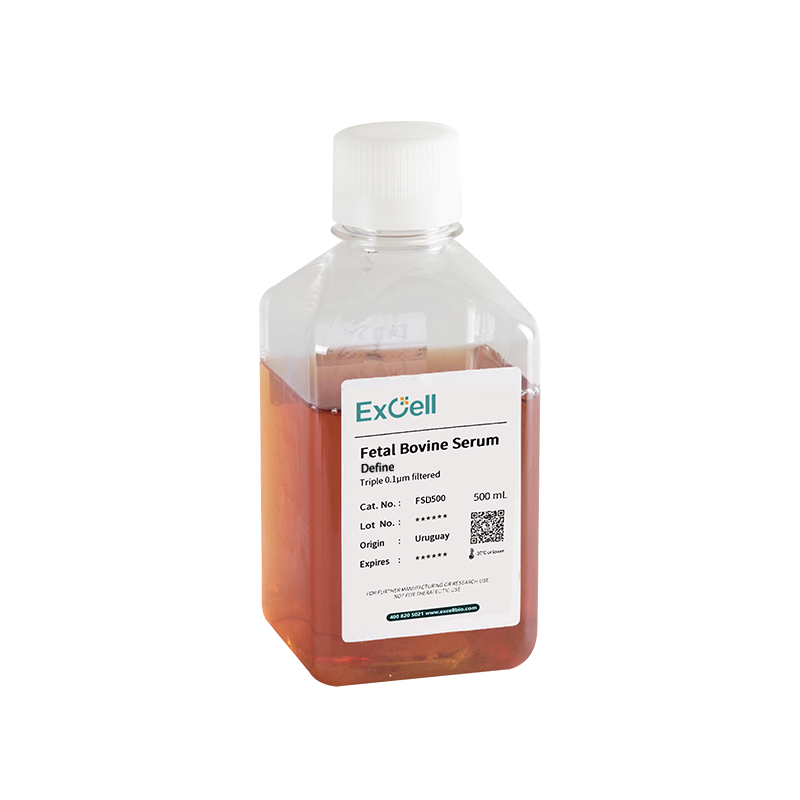
I’ll close by saying this plainly: we owe our teams predictable inputs. I prefer suppliers who back their product with data and accountability. If you want a starting point, check your supplier agreements and add the three clauses above. You’ll cut surprises — and keep projects on schedule. For tools, resources, and vetted serum options I recommend checking with trusted vendors like ExCellBio for lot transparency and COA consistency.