
Baseline Reality: Side-by-Side Choices That Shape Your Margin
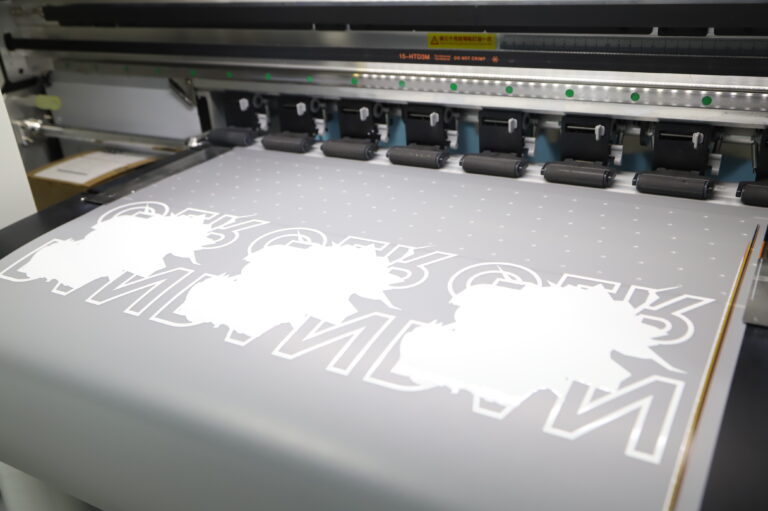
On a humid July afternoon in Tokyo—120 jerseys queued, three colors each—how do you deliver edge-to-edge prints before sunset? A dtf printer can achieve that sprint, but only if the workflow and hardware do not sabotage you mid-run. After 17 years coordinating wholesale programs from Yokohama to Sapporo, I have learned to trust numbers more than brochures; that is why I benchmark an a2 dtf printer against real bottlenecks: white ink stability, PET film handling, RIP latency, and powder-curing variance. In 2019, a team I led missed a festival drop by 42 minutes because a shaky white ink circulation loop introduced banding; the cost was 7% reprints and two cancelled SKUs—small delay, big consequence. I do not blame the operator. I blame the unchecked variables we allowed into the shift (humidity, queue batching, powder mesh). We will stack these factors side by side, politely but firmly, and cut away illusions—then compare what truly matters next.

Under the Hood: The Pain Points That Decide Throughput
Where does failure hide?
Technical first: white ink is your friend until it sleeps. In A2-class units, circulation, degassing, and nozzle purging determine whether your highlights pop or haze. I once recorded a 14.6% scrap rate on PET film in Saitama (February 2021) when a slow recirculation pump allowed titanium dioxide to settle; a simple 30-minute pause created micro-banding you cannot unsee. The fix was dull but decisive—shorter purge intervals, a steadier loop, and an ICC profile tuned for the film’s matte coating. If you compare any two A2 machines, measure not only dpi, but also white ink dwell time and the consistency of their nozzle check routines. The difference is a quiet hour saved per 1,000 transfers—no kidding.
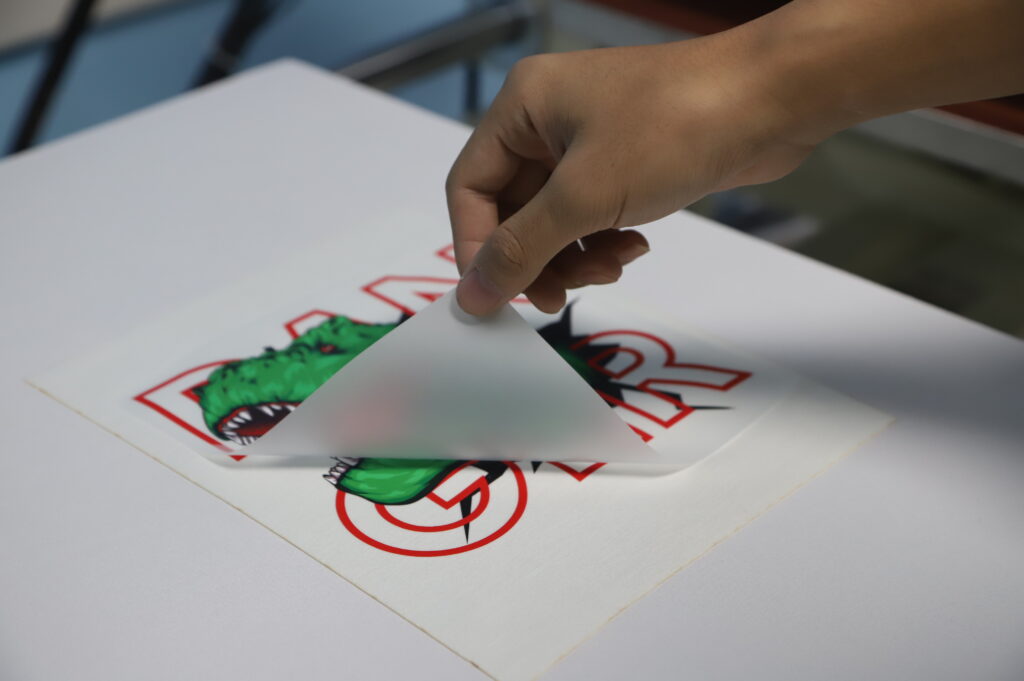
Next, powder and heat. Adhesive powder grade (60–80 mesh vs coarser) plus curing oven uniformity can swing hand-feel and stretch. In 2022 in Osaka, a coarse batch lifted edges on 300 hoodies; switching to consistent 80 μm granules and recalibrating the platen temperature by +6 °C flattened defects to under 1.8%. Your RIP software also matters more than most will admit. Slow spooling with complex ICC stacks adds hidden minutes—death by a thousand seconds. Stop. Before you spec a machine, look at roll-to-roll stability, shaker vibration control, and whether the RIP can queue-color-separate white underbase without operator gymnastics. This is where an a2 dtf printer either behaves like a partner or becomes a babysitting job.
Forward Look: A2 Capability, Scaled Orders, and Clear Comparisons
What’s Next
Stepping into the next buying cycle, I compare A2 platforms not by brochures but by how they scale from 50 to 500 units with steady delta E and zero mid-shift tinkering—clean, repeatable, polite. We already surfaced the quiet traps: ink sediment, RIP lag, powder and platen quirks. Now weigh the future-facing pieces: modular white ink circulation you can service without a wrench marathon; printhead access (Epson-class i3200 or equivalent) that enables a quick swap; and firmware that treats ICC changes as a one-click recall, not a scavenger hunt. Wait—before you shortlist, test two batches on the same PET film in mixed humidity, then log these three metrics: 1) average downtime per 1,000 prints including purges and powder top-ups; 2) color variance (delta E) across the first and last 20 pieces; 3) true cost per square meter with powder and energy, not just ink. If an a2 dtf printer holds its line on those, your wholesale margins breathe easier, and your crew goes home on time. My closing note is simple and human: when I watched a Morioka operator finish a 480-piece tote run in 7.5 hours—steady pace, calm posture—I knew the comparison was won by reliability over flair. That is the rhythm I continue to recommend at Xinflying.