
A Clear-Eyed Look at the 50 kW Class
Here’s the thing: your power system lives or dies on sizing and control, not hype. The hybrid inverter HPS30000TL/40000TL/50000TL enters right where most sites hit bottlenecks—high load swings, mixed tariffs, and odd roof strings. Picture a warm afternoon at a light industrial site. The HVAC kicks in, forklifts charge, and you need clean switchover with no blips. Data says poor system pairing can waste 10–20% of potential yield, while modern power converters peak above 98% efficiency (only when the setup is tuned). So what actually separates “good enough” from “built for the job” in this range, and how do you avoid the usual traps—like overbuild or under-control?
We’ll map the trade-offs, cut through jargon, and ask the simple question: which choice keeps your loads steady, your battery happy, and your grid meter calm? Buckle up—this gets practical fast. Next up, the hidden pain points that most spec sheets skip.
Hidden Pain Points: Why the 50 kW Class Trips People Up
Where do the old fixes fall short?
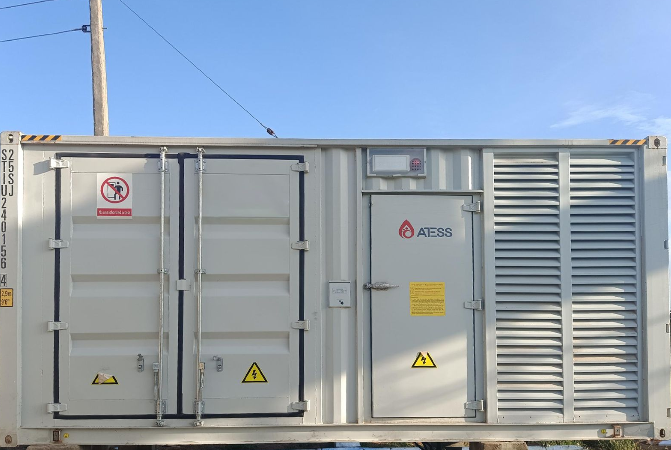
The talk often starts with the box, but the real story is the flow. An atess 50kw inverter in this class sits between PV, battery, and grid like an air-traffic controller. Traditional fixes—oversize the array, add a big breaker, wait for calm—don’t work when loads spike and tariffs change by the hour. Look, it’s simpler than you think: if MPPT tracking jitters under fast shade or the DC bus sags during compressor starts, you get nuisance trips, not savings. Old-school AC-coupled patches can stack delays and reactive power penalties. Worse, shallow monitoring hides state of charge drift, so your battery hits peak shaving late—funny how that works, right?
Then there’s protection and quality. Islanding protection must be fast but not twitchy. Harmonic distortion from motors can fool cheaper relays. Without clean droop control and a stable PLL, you chase faults at noon and at midnight. Commissioning is another quiet pain point: mismatched strings, uneven cable runs, and no verified ramp rates waste days. In the 50 kW band, the margin for error is thin. If your inverter can’t hold voltage under step loads, balance reactive power, and talk nicely to the BMS, you pay in lost cycles and service calls.
Forward Look: Principles That Make the Next Step Obvious
What’s Next
Solving those gaps is less magic, more method. Newer designs use grid-forming modes for tighter voltage hold, faster MPPT sweeps for quirky rooftops, and smarter droop curves to share load with gensets. Think short control loops, not blunt force. A capable 50 kW platform ties PV, storage, and load with low-latency logic—so the DC-coupled path carries more work, the DC bus stays calm, and step changes don’t trip protection. When you need standalone service, a solid 50kw off grid solar inverter should form the microgrid clock, ride through motor inrush, and coordinate charge with the BMS. Add edge rules for peak shaving, and you turn chaos into set-and-forget (most days).
So, how do you choose in practice? Compare by principles, not adjectives. First, response and stability: look for verified transient response under step loads, clean voltage THD, and steady PLL lock. Second, energy orchestration: check DC/AC paths, MPPT granularity, and whether the controller respects SOC targets without yo-yo behavior—this avoids slow, hidden losses. Third, lifecycle service: commissioning tools, remote diagnostics, and clear logs save real money. Measure these three, and the 50 kW choice gets obvious—funny how clarity shows up once you track the right signals. If you want a deeper technical read across HPS30000TL/40000TL/50000TL options without the buzzwords, start with the datasheets and a site profile, then match the control features to the actual load story. For reference and broader specs, see Atess.