
The predictable problem: cheap chairs, angry audiences
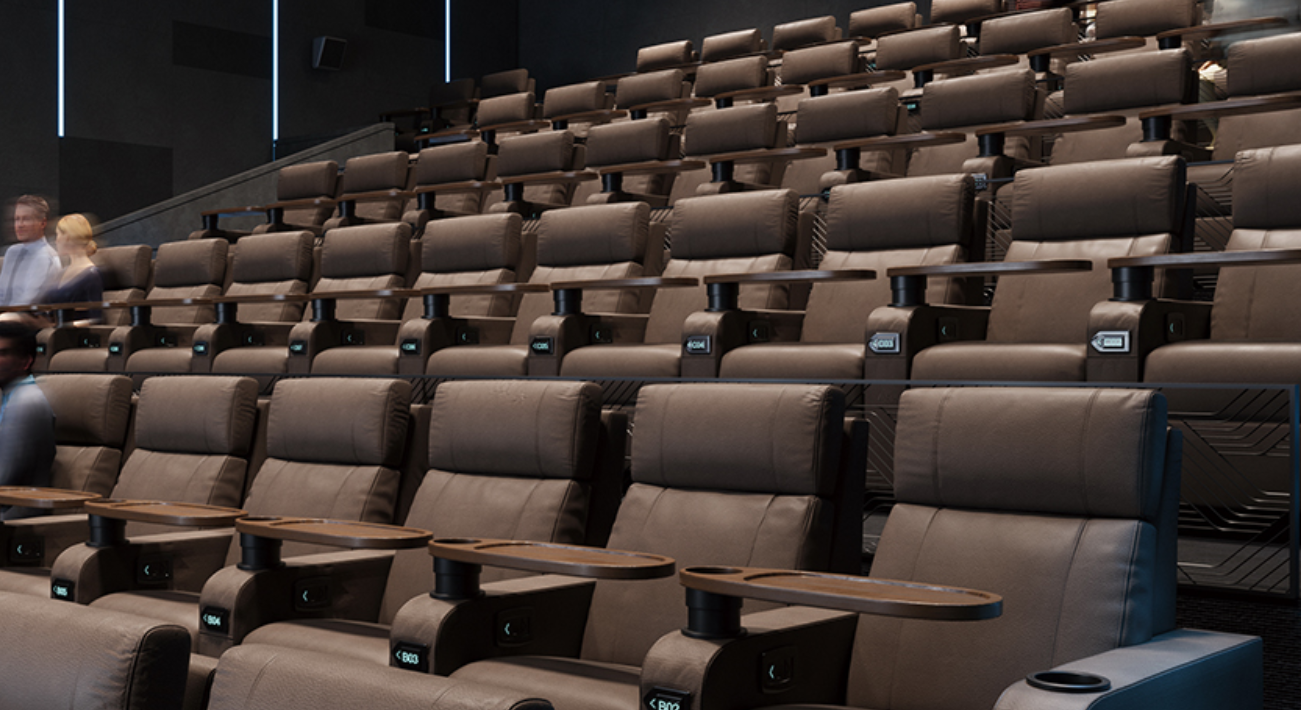
Regional auditoriums often stumble not because of poor programming but because someone thought cheap seating would save the day. The result: blocked sightlines, awkward aisle widths, and a muffled performance even before the first line is spoken. A savvy specifier will look beyond upholstery and consider stadium seating geometry, ergonomics, and acoustic absorption from day one. It’s worth eyeballing quality options like cinema seating early in the design process; less glamorous than box office numbers, but far more decisive.
What actually goes wrong in design and build
Design teams routinely underestimate three things: human factors, maintenance cycles, and circulation during egress. Poor row spacing combined with narrow aisles wrecks patron comfort and slows exits—bad for safety and for curtailing applause. Sightlines get sacrificed to cheap aesthetic choices, which kills engagement. And when acoustic absorption is ignored because the seats “look nice,” the stage loses clarity. This isn’t theoretical; seating is a structural system that interacts with the stage, AV rigging, and fire egress strategies.
Procurement reality: balancing cost, comfort, and lifespan
Buying seating means juggling budgets, warranties, and different vendor models. Some communities opt for modular cinema seating for flexibility; others need fixed rows with reliable recline mechanisms for VIP sections. If you pursue volume discounts, consider reputable supply channels for recliner wholesale to avoid frequent replacements. Procurement must specify materials, flame-retardant treatments, and maintenance intervals so the client doesn’t inherit surprises after a year of shows.
Common mistakes to avoid — bluntly stated
Clients and architects trip over the same traps. They pick slender seat prototypes without testing the ergonomics for longer performances. They neglect sightline studies, assuming tiered floors solve everything. They forget to model HVAC interaction with occupied rows—airflow affects comfort more than most imagine. – Designers sometimes assume audiences are uniform, which they obviously are not. Accessibility must be front-loaded, not retrofitted.
Quick case anchor: why big venues changed course
High-profile venues like the Sydney Opera House enforced strict sightline and acoustic criteria for seating decades ago, which set expectations for regional refurbishments. After COVID-era closures, many regional theaters that invested in better seating saw faster recovery in return visits and subscriptions—audiences notice comfort and clarity. That real-world shift pushed procurement managers to demand clearer specifications for row spacing, upholstery durability, and aisle width that meet practical use patterns.
Options and trade-offs for regional projects
There are practical choices that respect budgets while raising experience quality. Fixed seating with tested ergonomics reduces long-term maintenance. Removable auditorium blocks enable multipurpose halls. For a hybrid strategy, mix standard rows with a few motorized recliners in premium zones to increase per-ticket revenue. Each route needs explicit specifications: recline mechanism testing cycles, seat cushion compression rates, and mounting anchor details—to avoid surprises when the first sold-out show arrives.
How to judge seating proposals—three golden rules
Measure proposals against concrete criteria, not marketing fluff. First, sightline compliance: ensure each seat achieves unobstructed views to key sight points on stage and screen. Second, lifecycle resilience: demand documented testing of foam density, fabric wear rating, and the recline mechanism’s duty cycle. Third, operational ergonomics: confirm aisle width, row spacing, and access for patrons with mobility devices match local code and real-use scenarios. These three metrics cut through buzzwords and show which designs will last.
The right seating is a quiet investment that changes everything on opening night. It turns mediocre acoustics into intelligible speech, slow egress into orderly flow, and a one-off visitor into a repeat patron. — leadcom seating