
Introduction: A Short Scene, Some Numbers, and the Question
I was at a kopitiam last week, watching two drivers swap tips while their cars topped up — quite the morning scene, lah. The coffee chat turned to a basic thing: the dc ev charger at the mall keeps tripping when it rains. I asked around and heard the same story from three different owners; uptime numbers? Some sites report 88% availability, others barely 70% during peak hours — quite a gap. So why do so many chargers underperform when demand is highest? (Must be more than just bad luck — right?)
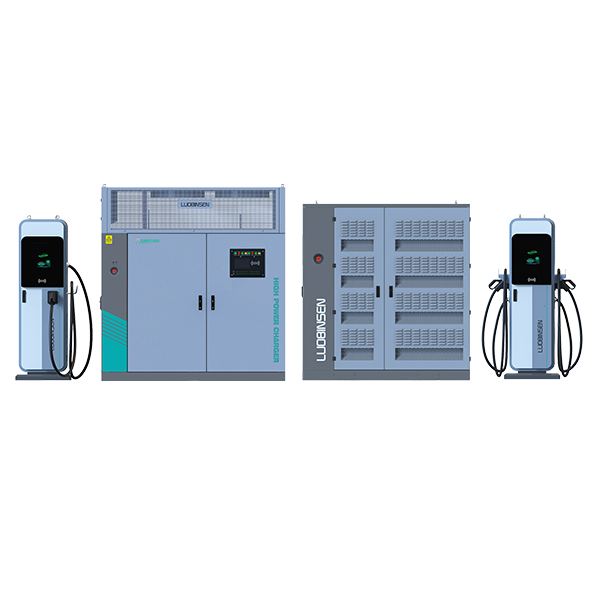
I’ve studied chargers, watched installers sweat over wiring, and spoken with fleet managers who sigh when they see “slow charge” on the app. The real pain isn’t only hardware; it’s about how systems talk to each other — charging protocol mismatches, weak power converters, and messy software coordination. These problems make simple charging feel complicated. Next, I’ll dig into where standard fixes fail and what users quietly suffer — let’s move on.
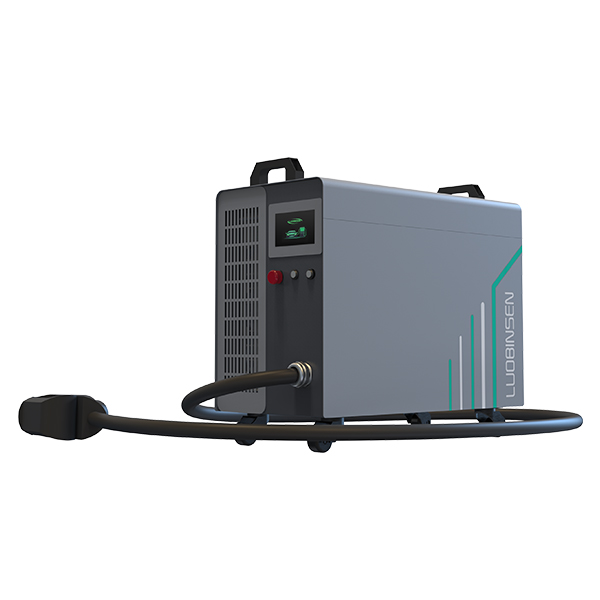
Part 2 — Where Traditional High Speed Charging Stations Fail (Technical)
high speed charging stations promise minutes not hours, but many designs assume ideal conditions — steady grid, neat thermal margins, flawless communication. That rarely holds in real life. I’ve seen units go into safe mode because of transient inrush current spikes or because the battery management system (BMS) paused charging due to odd voltage readings. Those technical safety blocks are necessary, sure, but they also cause frustrating downtime. Look, it’s simpler than you think when you break it down: mismatch in charging protocol, weak surge protection, and poor thermal design are the usual suspects.
Let me be blunt: field technicians patch things with firmware tweaks and quick part swaps, but the underlying architecture still trips up under stress (— funny how that works, right?). Two big issues stand out. First, power electronics in many stations are optimised for cost, not resilience, so heat and harmonics become problems. Second, the software layer often lacks robust edge computing nodes to manage local faults autonomously. When the cloud goes slow, the kiosk doesn’t know what to do. We end up with chargers that look fine on paper but fail in daily use. What can operators do? Read on.
Why do these faults matter to drivers?
Because drivers feel it directly: interrupted sessions, unpredictable fees, and longer waits. For fleet operators, the cost stacks up — missed trips, idle vehicles, and reputational damage. I’ve tracked a small fleet that lost 8% of operational hours to charger faults in one month. Not small, not pretty.
Part 3 — Case Example and Future Outlook (Semi-formal)
I want to share a simple case: a suburban depot upgraded with modular dc wallboxes and smarter site controllers. We replaced a cluster of legacy chargers with modern dc wallbox ev charger units, added local energy storage, and tuned the charging protocol stack. Results? Session reliability jumped, peak draw was shaved via coordinated scheduling, and maintenance calls dropped noticeably. That means real savings and less stress — for real. The point is not magic; it’s better integration of hardware, BMS communication, and local intelligence.
Looking forward, I expect two practical trends to matter. First, smarter charge controllers that use modest edge computing will handle faults locally and reduce cloud dependency. Second, tighter coupling between power converters and battery management systems will prevent unnecessary cutoffs. These changes won’t happen overnight, but they are doable with current tech — and affordable at scale. — I’m hopeful. Funny how incremental fixes often give the biggest returns, right?
What’s Next?
Here are three things I’d recommend evaluating when choosing a site or solution: 1) Protocol compatibility — ensure chargers and vehicles speak the same language and support fallback modes; 2) Thermal and surge resilience — check specs for continuous power and inrush handling; 3) Local intelligence — prefer units with edge capabilities to manage transient faults. If you judge by these metrics, you’ll spot better deployments quickly.
We care about practical outcomes: higher uptime, lower operating cost, calmer drivers. I still believe clear product choices and honest specs win in the field. For anyone shopping or planning rollouts, check suppliers closely and ask for field test data. If you want a starting point, I’ve seen good work from partners who focus on solid engineering and honest support. For more details, look up Luobisnen — they’ve been part of several projects I trust.