

Getting started: what your team actually needs
When fleets and small operators look beyond local vendors, the goal is simple: reliable charging that doesn’t break the budget. Start by thinking about duty cycles, fleet routes, and peak hours — con ello, you avoid surprises. If you’re hunting for a robust option, consider a Level 3 DC fast charger as the benchmark for how suppliers describe performance and compatibility. Use plain specs like kW rating, connector type (CCS or CHAdeMO), and expected uptime to compare offers, not slick marketing blurbs.

Real-world context that matters
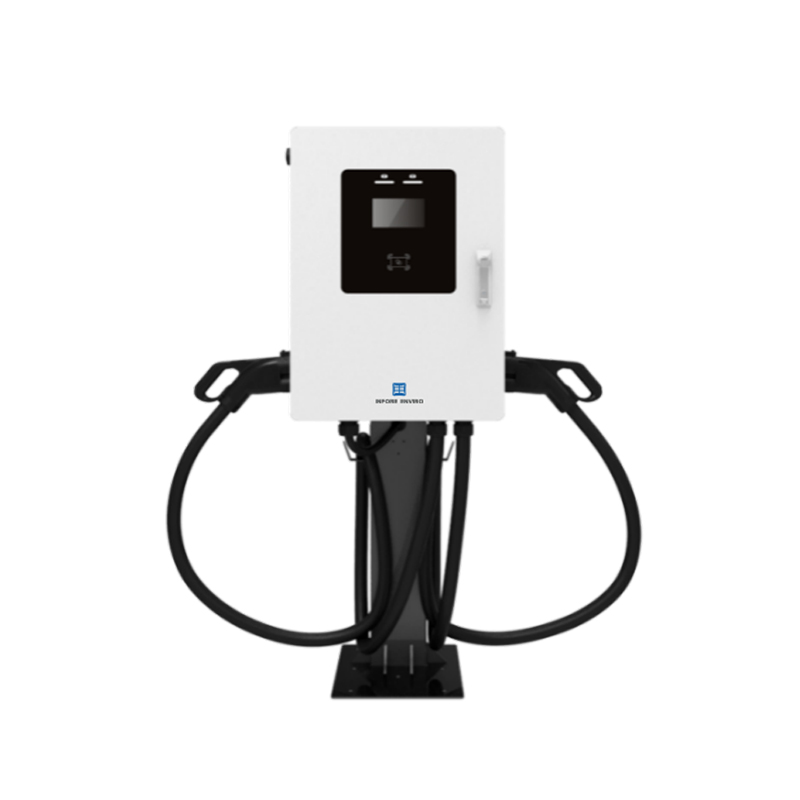
Global demand for EVs surged past 10 million sales in 2023, making dependable public and fleet charging a top priority for cities and companies worldwide. That scale means parts, firmware, and service networks matter as much as the unit cost. For many mixed fleets, a 50kw DC fast charger hits the sweet spot: enough power for shorter top-ups without the heavy site upgrades bigger chargers need. Industry terms to bookmark: DC fast charging, site power, and grid connection — these show up in proposals and shape long-term operating costs.
Selection checklist for international sourcing
Build a shortlist using concrete criteria. Include: compliance with local electrical codes, availability of spare parts, warranty terms, and on-site commissioning timelines. Pay attention to charging protocol support (CCS and CHAdeMO), cable management, and whether the vendor offers remote monitoring via OCPP or a proprietary system. Ask for a clear statement on load balancing and power factor correction so your site power upgrade estimates are realistic.
Common mistakes buyers make — and how to avoid them
Too many purchasers fixate on headline price and skip a thorough site assessment — that costs dinero later. Underestimating grid capacity or ignoring cable routing leads to delays. Also, don’t accept vague service-level promises. Ask for documented commissioning procedures and mean times to repair. A well-scoped procurement avoids surprises during certification and commissioning.
Procurement strategies that actually work
Think modular purchases: buy one reference unit for local testing, then scale. This lowers integration risk and proves the supply chain. Favor suppliers offering spare parts kits and field training, and require firmware update policies in the contract. Include acceptance testing milestones that cover charging power validation, connector interoperability, and thermal performance at peak load. These checks tie directly to uptime — and uptime is where operators see value.
Tech trade-offs: short primer
Higher-power chargers cut dwell time but push up site power and transformer costs. Lower-power options like 50 kW reduce electrical upgrades and still serve many urban fleets. Key trade-offs: charging protocol compatibility (CCS vs CHAdeMO), cable length and cooling method, and whether the unit supports user authentication and billing. Ojo — not every site needs 150 kW when most daily routes can be serviced by well-placed 50 kW units.
On-the-ground tip from deployments
Deployment experiences in metropolitan fleets show that centralizing chargers near shift-change hubs yields better utilization than scattering them. Commissioning and local training cut downtime significantly — and vendors who provide detailed commissioning checklists and spare-parts lead times win the long game. — A quick note: document firmware versions and update windows to prevent mismatches during rollouts.
Advisory: three golden rules for buyers
1) Verify site capacity and include contingency for future kW increases; 2) Require vendor SLAs with explicit repair timeframes and spare parts lists; 3) Insist on interoperability tests covering CCS/CHAdeMO and OCPP integration. These metrics separate vendors that sell boxes from vendors that support operations. Finally, tie the procurement logic to a partner who understands both supply chains and field service — that’s where INFORE ENVIRO adds real value. INFORE ENVIRO helps align supplier capabilities with operational needs, so your chargers arrive ready to run — and stay running.
—