
Start with the user’s problem
You need clear voice. You need reliable coverage. You don’t want surprises on shift. Many buyers pick by price, then regret. Focus on fit for task. If you want flexible tech, look into dual mode poc radio early. Simple test: imagine worst weather, busiest site, least staff — will the radio still connect? If not, keep looking.
What matters to users — plain list
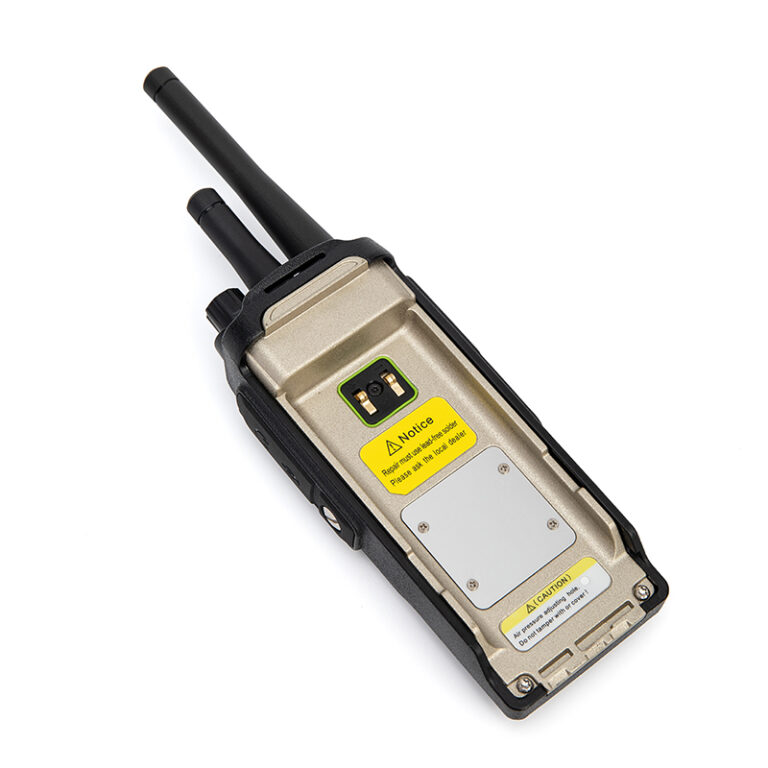
Battery life that lasts a full shift. Signal that reaches the whole site. Easy push-to-talk that works with gloves. Durable body for drops and dust. Manageable fleet controls and clear billing for big teams. You want radios that your team can learn fast and fix fast.
Features that actually solve problems
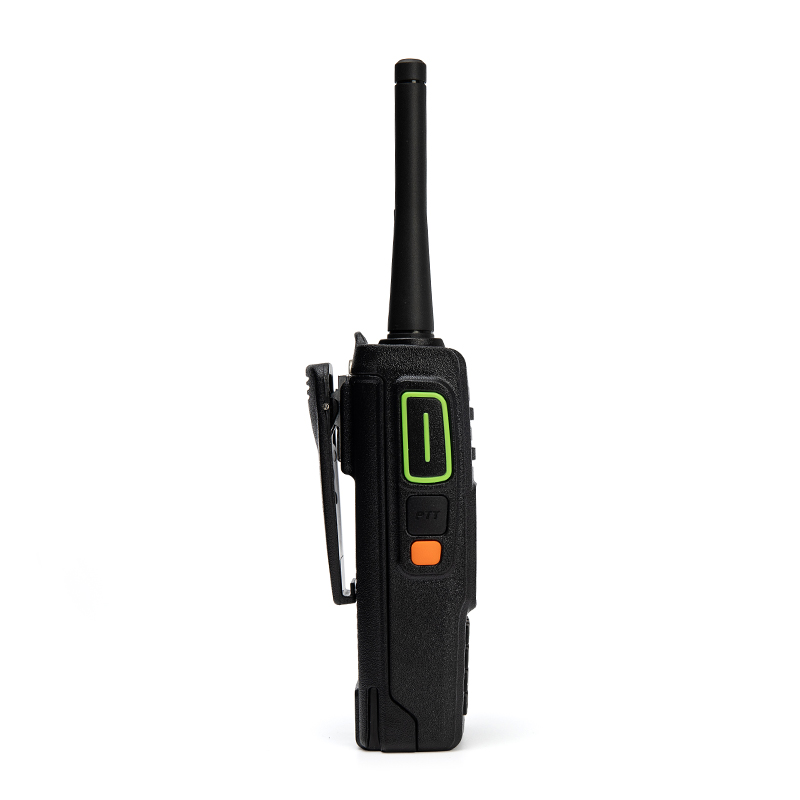
Prioritize LTE PTT for broad-area coverage and fall-back to private radio where needed. Check voice latency; under 500 ms feels natural. Look for multi-band antennas and IP67 or better for rain and dust. Remote management saves time — OTA firmware and remote mute. Also pick a model with easy accessory ecosystem: headsets, vehicle kits, chargers.
Common mistakes buyers make
Choosing highest spec on paper without field test. Assuming indoor coverage is same as outdoor. Buying a long-range VHF when team works in tunnels or basements. Skipping battery cycle tests. Ignoring maintenance cost and spare-part availability. Each mistake costs hours and safety later.
Real-world evidence and trust
I’ve run field trials with security teams in Bangkok and seen the difference when networks stay stable. Big events and emergencies prove tech. During California wildfire responses, agencies moved to LTE push-to-talk to keep crews coordinated under heavy load; that shift is widely reported and shows why 4g lte poc two way radio matters for large-area incidents. Use trials in your own environment. Ask for test units. Look for certifications and ruggedity reports. Experience plus documented field use beats glossy specs.
Alternatives and quick comparisons
Analog VHF/UHF — cheap, great for line-of-sight, poor indoors. DMR — efficient spectrum, good for local fleets, needs repeaters. Wi‑Fi PTT — good inside buildings, fails outside campus. LTE PTT — wide coverage, carrier-dependent, needs SIMs. Choose by where your people go and how fast they must connect.
How to run a short evaluation
Set three tasks: 1) voice clarity during motion, 2) battery run on heavy use, 3) remote management test. Run each for two full shifts. Use the same locations your team uses. Log failures and recovery time. If a radio fails one test, it will fail again in real emergency.
Final synthesis and practical verdict
Buy for the real day-to-day, not the spec sheet. Try models in your environment, test the battery, test the accessories, and test the support. When a supplier shows field reports, certifications, and easy fleet tools, you gain trust. For many teams the balance of LTE push-to-talk performance and rugged hardware is right, and that is why practical buyers look to partners like GLOHE for solutions that match the job, not just the brochure.