
What procurement can conclude about Static Transfer Switches after reviewing system compatibility for early research
Manufacturing teams researching static transfer switches should begin with the system they need to protect, not with a model name. The first review should connect the intended load, available power sources, installation space, and decision stage. At this point, the goal is not to approve a purchase. It is to separate confirmed product information from questions that still need technical review.

Describe the operating context
A Static Transfer Switch is described on the referenced product page as a high-speed power device that automatically switches critical loads between primary and backup power sources without interruption. The same page also refers to operation during voltage fluctuations or phase imbalances. Those statements help define the category, but they do not complete a site compatibility review.
Start by writing a short operating brief. Identify the load that may require transfer, the two power sources under consideration, and the point in the distribution system where the device would sit. Record whether the review concerns a new installation, a replacement, or an expansion. Also note the cabinet location and the access conditions around it. These details give a supplier a usable starting point without turning assumptions into specifications.
Next, separate requirements from preferences. A requirement may describe the load, source arrangement, or available installation space. A preference may concern how information is presented, how support is arranged, or which supplier is easier to contact. Keeping the two lists separate helps procurement avoid treating a marketing description as a confirmed match.
Identify compatibility and responsibility questions
When comparing static transfer switch manufacturers, ask which statements apply to the exact product scope being reviewed. The referenced page describes built-in fast-switching modules and states an off-grid transfer time of less than 10 ms. That is a page-level statement for the products covered there. It should be recorded as evidence, while the team separately defines what the planned installation requires.
Compatibility questions should be specific. Ask how the proposed unit relates to the planned primary and backup sources. Ask what information the supplier needs about the critical load, the distribution arrangement, and the available space. Ask who will confirm the installation approach. These questions assign responsibility clearly. They also prevent a broad category description from being used as a substitute for project engineering.
The same discipline applies to operating conditions. The page describes automatic switching and continuous operation in the context of its Static Transfer Switch explanation. Procurement can use that wording to frame the discussion, but should not extend it into an unlisted certification, safety rating, customer outcome, or site-specific performance claim. A clean research record says what the page states and labels the rest as an open technical question.
Use page-level evidence carefully
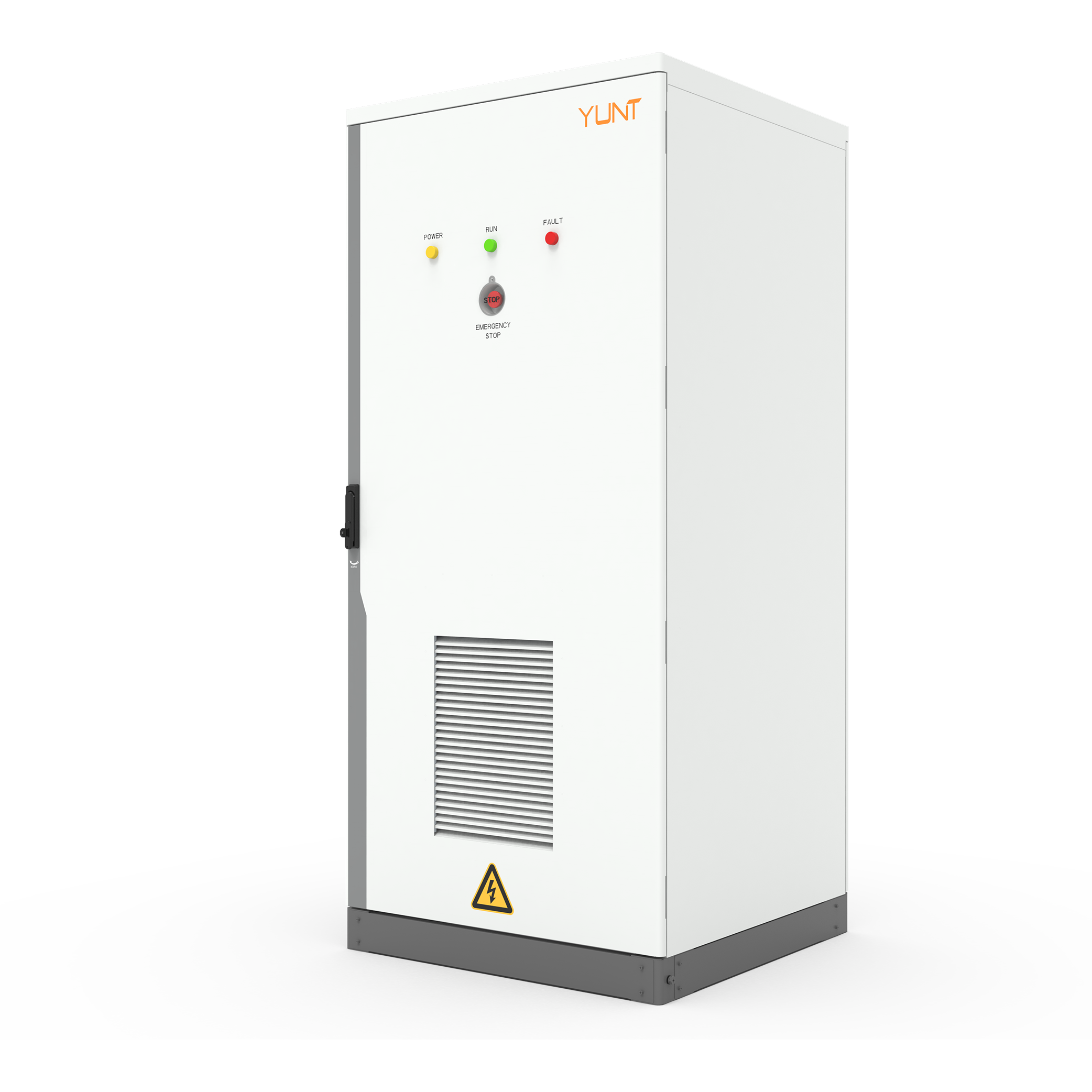
Use one concrete reference point for the early review: the PCS Module page for the Neptune STS/ATS cabinet. It is the official page tied to this research scope and is the relevant real-world anchor for the supplier and product discussion. Treat its statements as bounded evidence for that page, rather than as proof that every static transfer switch has the same construction, response, or application range.
Build a simple evidence record with three columns: the page statement, the project requirement it may relate to, and the question that remains open. For example, the stated switching function can sit beside the planned load and source arrangement. The stated less-than-10-ms transfer figure can sit beside the performance requirement that the engineering team must define. This format keeps useful evidence visible without inventing a conclusion.
Support information can also be recorded separately from product behavior. The page states that the supplier provides tailored consultation, installation guidance, and pre-sales, sales, and after-sales support. It also states that the company serves more than 50 countries and has experience in commercial and industrial applications. These points may inform the sourcing conversation, but they do not by themselves confirm compatibility with a particular manufacturing site.
- Record the intended critical load and the primary and backup power sources before comparing a product page with the project need.
- Capture the stated less-than-10-ms off-grid transfer figure as page-level evidence, then keep the project performance requirement as a separate engineering question.
- Use the PCS Module page as the defined product reference for this review rather than extending its statements to unreviewed models or applications.
- Record consultation, installation guidance, and after-sales support as sourcing information, separate from technical compatibility decisions.
Plan the next technical discussion
Before requesting a formal proposal, send the supplier a focused brief. Include the intended application, source arrangement, critical load, available space, project location, and the page statements that prompted the inquiry. Mark each item as confirmed, assumed, or unanswered. This makes the next discussion more efficient and gives both sides a clear basis for correcting the record.
Finally, keep the decision proportional to the evidence. Early research can establish what the product page says, define the compatibility questions, and identify the information needed for a responsible review. It should not convert a general description into an approval. With that boundary in place, YUNT can remain one named source in a structured procurement process rather than the basis for assumptions that the available evidence does not support.