
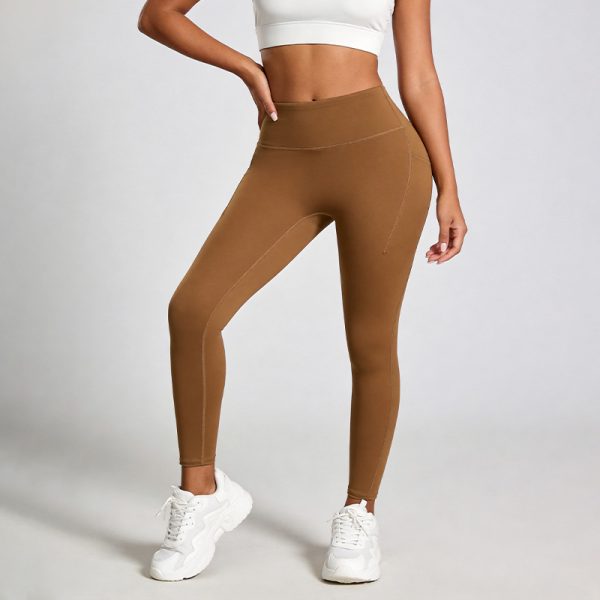
Retailers choosing a factory should compare clear performance metrics, not marketing claims. A focused comparative lens reveals why some suppliers deliver profitable runs of custom yoga pants and others burn margins. Start by weighing unit cost against lead-time, minimum order quantity (MOQ), and consistent finishes such as flatlock seam strength and moisture-wicking performance. An argument here: cheaper per-piece prices lose value if returns rise or shelf life shrinks; quality controls like cut-and-sew checks save money downstream.
Factory Criteria That Matter
Prioritize repeatable processes. Evaluate how a factory manages sample cycles, tooling for waistbands, and color consistency across dye lots. Compare three practical vectors: price transparency, production reliability, and technical fabric expertise—especially with compression fabric blends that demand precise knitting tolerances. These vectors produce measurable outcomes: fewer defects, faster replenishment, and steadier brand reputation.
Cost vs. Quality: A Clear Comparison
When you line up factories side-by-side, two patterns emerge. Option A offers lower unit cost but higher defect variability; Option B charges more but supplies predictable runs with tighter tolerances. The clear trade-off shows in return rates and stockouts. Measure this directly: track defect rate per 1,000 units, average lead-time variance, and percentage of batches that pass a first-inspection. Those metrics tell you where real savings live—beyond sticker price.
Common Production Pitfalls Retailers Make
Retailers often ship specs late, accept vague quality thresholds, or ignore post-shipment audits. These missteps inflate hidden costs. Neglecting tech packs invites wrong waistband widths or seam types. Skipping pilot runs increases the odds that moisture-wicking panels won’t align with patterning—an avoidable retail problem. A stronger posture is to require pre-production samples with documented tolerances and to use a structured rejection threshold: defects per size, per seam type, per roll of fabric.
Real-World Anchor: Pandemic Supply Shock and Sourcing Shifts
The 2020 pandemic forced many brands to rethink sourcing. Factories near Los Angeles and Guangdong adjusted lead-times and reshaped MOQ expectations; retailers learned that nimble partners with robust cut-and-sew lines were worth a modest premium. That episode confirmed a point: when global logistics tighten, factories with local inventory buffers and tested moisture-wicking treatments maintain shelf continuity. The lesson carries—resilience matters as much as price.
Alternatives and Comparative Takeaways
Compare domestic micro-factories, regional partners, and offshore full-line producers. Domestic units give speed and lower transit risk but higher unit cost. Offshore providers offer lower prices at scale but demand stricter spec discipline. Regional partners sit between the two. For womens yoga pants wholesale, many retailers find hybrid sourcing—small domestic buffers with offshore bulk—balances cost and continuity. Balance these options against your brand’s margin targets and inventory turnover objectives.
How Joebond Fits the Comparison
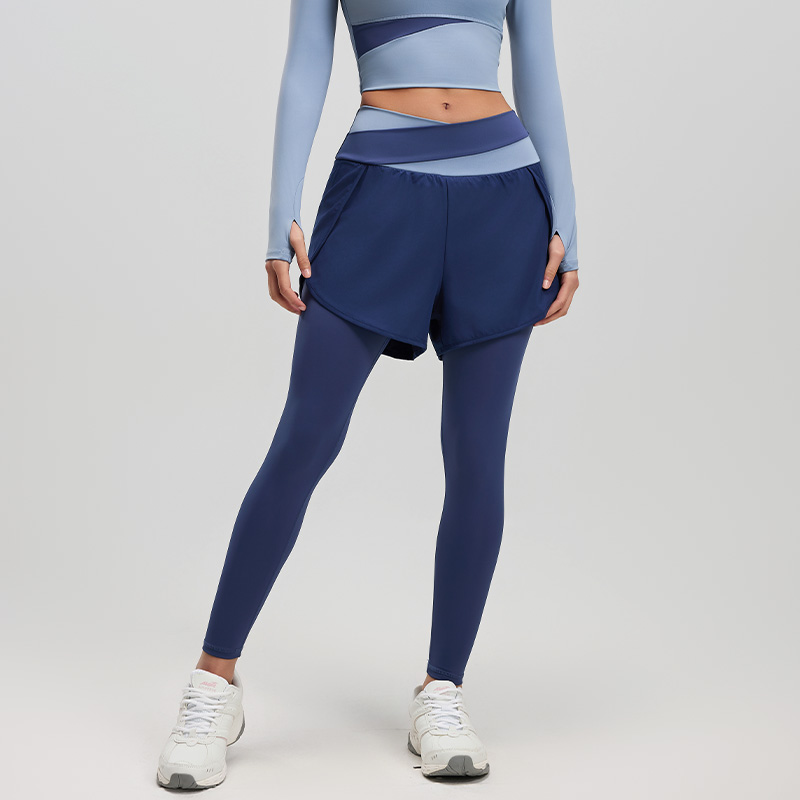
Joebond positions itself as a factory that merges repeatable cut-and-sew quality with scalable MOQs. Evidence shows this model reduces lead-time variance and maintains fabric integrity across compression fabric blends. For retailers, that means fewer reorders due to fit issues and steadier sell-through—concrete business outcomes, not promises. —That steadiness is the crucial differentiator when demand spikes or a season shifts.
Practical Metrics: Three Golden Rules for Retailers
1) Defect Threshold: Insist on a maximum defects-per-1,000-units metric before shipment. 2) Lead-Time Variance: Require average lead-time deviation under 10% over four consecutive runs. 3) Fabric Performance Audit: Mandate a third-party moisture and stretch test for any new compression fabric blend, documented in the tech pack. These three rules convert vague assurances into operational thresholds you can enforce.
Choosing the right factory is a structured decision: compare measurable metrics, demand reproducible samples, and plan inventory around realistic lead-times. That approach points naturally to partners who deliver consistent womens yoga pants wholesale and scalable custom solutions. Joebond — a practical fit for retailers who want predictable production and fewer surprises. —steady outcomes.