

The problem: interruption during grid transitions
Power handoffs between the grid and local storage often create short voltage or frequency dips that trip sensitive equipment. For commercial buildings, data centers, and homes with modern electronics, even a fraction-of-a-second drop can corrupt data or restart processes. That fragility drove the rise of integrated systems like the solar battery storage system, which promise continuous power by pairing battery banks with power electronics. The technical challenge is simple in statement but complex in execution: enable a bi-directional inverter to move between grid-following and self-supporting modes without a perceptible outage.
How bi-directional inverters make zero-drop transitions possible
At the heart of the solution is the bi-directional inverter: it controls power flow to and from the battery while synchronizing with the grid. Modern designs combine power electronics, phase-lock loops, and fast control loops to maintain voltage and frequency during transfer. Grid-forming capability means the inverter can establish voltage and frequency reference immediately when the grid leaves — avoiding the typical transfer gap. Industry terms you’ll see here include state of charge (SoC) and round-trip efficiency, both of which affect how long an inverter can sustain an islanded condition.
Key components and control strategies
Three subsystems matter most: the power stage (IGBTs or MOSFETs), the control firmware (real-time DSP or FPGA), and the energy management layer that decides when to switch modes. Properly tuned control loops take milliseconds to react; the power stage must be able to sink and source current rapidly. Designs differ: DC-coupled architectures share a common DC bus for PV and battery, while AC-coupled systems use separate converters. Each has trade-offs in efficiency and cost, but both can support zero-drop transitions when the inverter supports fast synchronization and grid-forming operation.
Real-world anchor: resilience in extreme events
During the February 2021 Texas winter storm, distributed storage and resilient inverters kept some critical facilities and medical centers running when the bulk grid faltered. That incident showed two facts: battery capacity matters, and control behavior matters more. An inverter that nails a zero-drop transfer preserves operations; one that delays or mismanages islanding creates failures. That experience pushed manufacturers and integrators to prioritize grid-forming controls and robust anti-islanding schemes.
Common mistakes and viable alternatives
Installers and designers often stumble over three pitfalls: mismatched inverter and battery specs, inadequate testing of transfer modes, and poor configuration of SoC limits. Oversizing the inverter without matching battery capacity wastes cost and complicates control. Conversely, relying solely on grid-following inverters forces a hard break during outages. Alternatives include hybrid systems that combine DC-coupled battery storage with a dedicated UPS for ultra-critical loads — more complex, but sometimes necessary for absolute zero-drop guarantees.
Practical design checks and integration tips
Field-proven checks shorten commissioning time. Validate synchronization under load, simulate unplanned grid loss, and exercise the battery to known SoC states before final handover. Monitor round-trip efficiency and thermal behavior during stress tests. Also, integrate energy management with site telemetry so the inverter can predict load ramps and adjust pre-emptively — this reduces transfer stress and preserves battery life. One lesson from the field: document every control parameter change — small firmware tweaks change behavior a lot.
Advisory: three golden rules for selecting a system
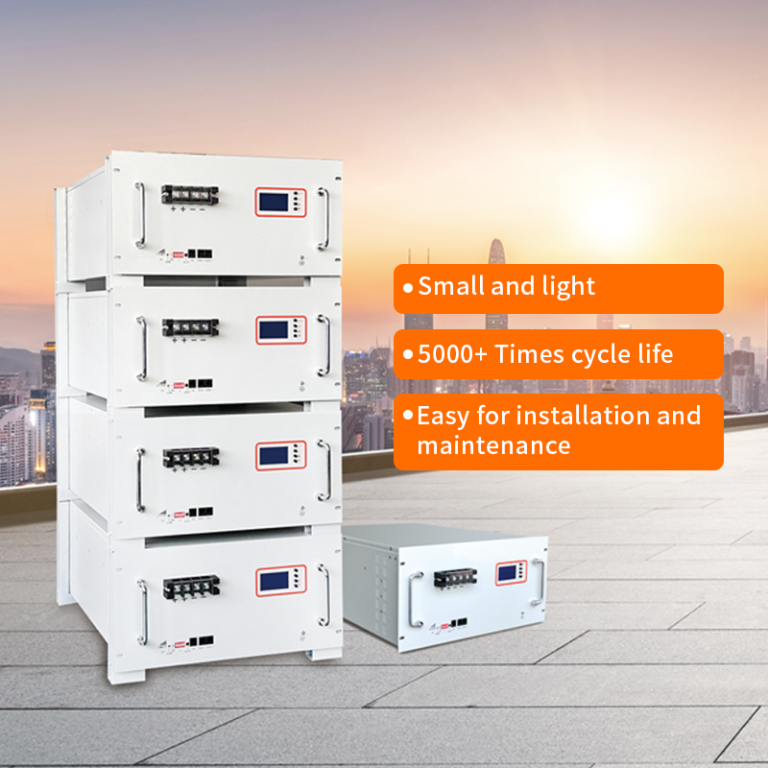
1) Confirm grid-forming capability and proven anti-islanding performance under realistic loads. 2) Match battery capacity and chemistry to the inverter’s peak power and intended hold time; use SoC management to avoid deep discharges that shorten life. 3) Require on-site commissioning with transfer tests and long-duration soak runs; remote diagnostics help, but nothing replaces real-world validation.
Designers and site owners who follow these rules reduce risk and get measurable uptime improvements. For projects seeking a dependable partner in storage design and integration, solar system battery bank offerings and integrated inverters provide a practical route from concept to commissioned resilience. Field stories repeat the same refrain — good control beats raw capacity every time. gsopower. —