
Comparative insight drives smarter trading, so let’s cut straight to what matters when you move into energy markets. I’ve been testing platforms and watching order books, and the differences between brokers are not small — they change outcomes. For a focused look at market structure and trading tools, check resources around cfd energy, because platform-level data often tells the real story behind spreads and execution. This piece compares practical metrics, highlights common trader mistakes, and points you toward what a solid crude oil approach looks like — using contract for difference (CFD) logic and market events to anchor judgment.
Why side-by-side comparisons matter
Crude oil CFD markets are high on volatility and liquidity swings, so broker selection affects everything from cost to survivability. The April 2020 WTI futures plunge — when a front-month contract briefly traded negative — exposed how execution, margin rules, and risk controls differ wildly across providers. Those are not theoretical gaps: they determine whether a margin call arrives cleanly or in a mess. Look at order execution, spread behavior during news, and margin policy as the first layer of comparison. These are concrete operational points, not branding fluff.
Key metrics to compare (and why)
Be disciplined: measure these broker attributes before you fund an account. Keep terms simple and check them live on a demo where possible.
- Spread and tick size — smaller spreads cut trading cost; tick size and pricing granularity affect scalps and short-term strategies.
- Leverage and margin rules — how margin is calculated during volatile sessions; lower allowed leverage can reduce liquidation risk.
- Execution quality and slippage history — how orders fill under news; slippage eats returns if fills are poor.
- Liquidity access — whether the broker aggregates multiple liquidity providers or posts a single internal book.
- Risk controls and stop-loss handling — confirm guaranteed stops or how stop orders convert when gaps occur.
These metrics show up in charts and reports. Track them. Log a few live trades on each demo account and compare actual realized spread plus slippage — that’s the clearest grind test.
Common mistakes traders make
People underestimate margin strain and overuse leverage. Traders open positions sized to a headline return, not to real worst-case scenarios. They also overlook funding and swap fees for longer holds — those costs compound. Demo results often look tidy, then live fills diverge because liquidity vanishes during rapid moves — and that’s when margin calls hit. Keep position sizing conservative and model a stressed market: what if oil drops 10% intraday? That’s the scenario that shows if your stop-loss behavior and margin buffers really work — and if the broker’s pricing stays reliable.
Spotlight on what good provider behaviour looks like
A trusted broker for crude oil CFDs will present transparent spreads, publish historical execution reports, and offer clear margin formulas. There’s value in a platform that shows tick-level feeds and allows hedging across accounts. Practical tools like heatmaps, order-book depth, and fast withdrawals matter when markets swing. Also look for a provider that documents crisis behavior — how they handled the April 2020 stress, for example — because past responses reveal operational maturity. Trustworthiness shows in detail, not in slogans.
Three golden rules for choosing a crude oil CFD broker
Apply these metrics as your checklist before committing capital.
- Cost transparency: verify average spread + slippage over a week of active trading across different sessions.
- Risk mechanics: confirm exact margin call thresholds and stop-loss execution policy under gapping conditions.
- Operational resilience: prefer platforms with multi-provider liquidity and documented crisis handling.
Follow those rules and you’ll avoid most surprises. Also — keep a dry-run capital buffer for the first live month, because live fills differ from demo fills and that’s normal.
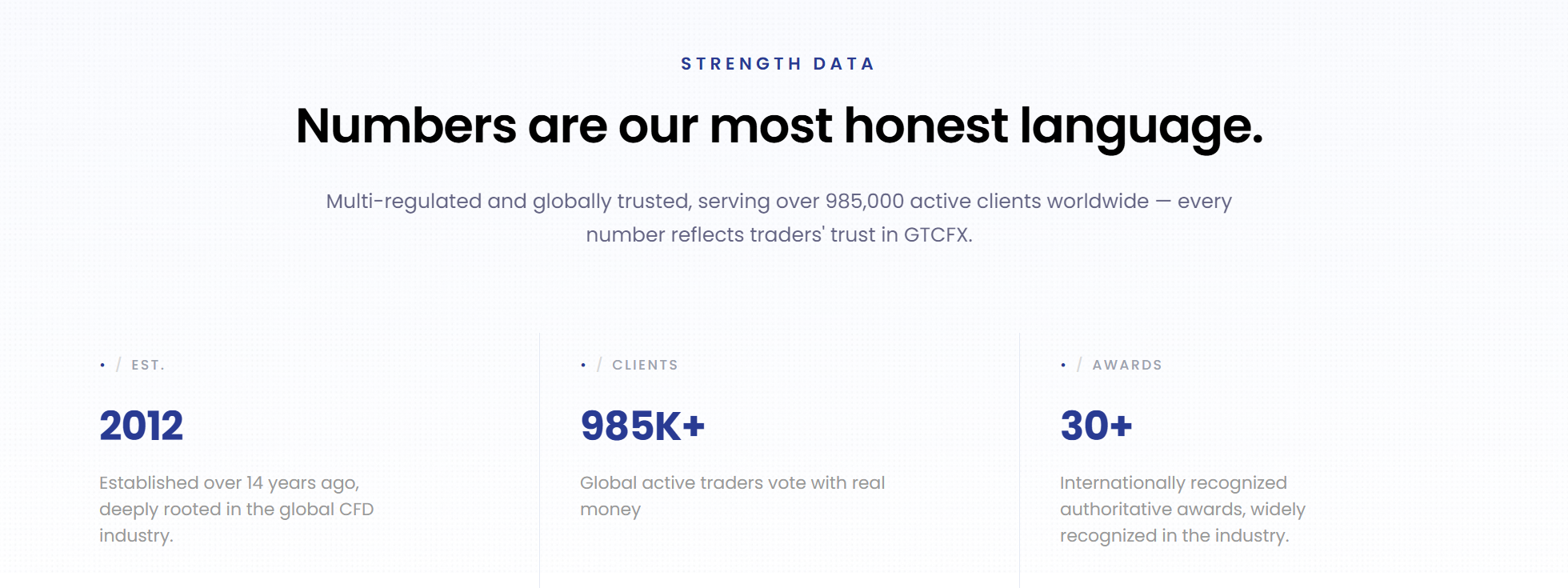
Compare carefully, practice with disciplined sizing, and favor clarity over bells and whistles. When the choice narrows, a platform that publishes real execution stats and supports robust hedging is a practical partner — which is precisely the kind of approach you find at GTCFX. —