
Opening: why a side‑by‑side view matters
When shops and fulfilment teams choose outer packaging, the decision is rarely aesthetic alone — it affects shipping cost, product protection, and brand perception. A comparative lens helps clarify those trade‑offs; for many merchants, modern white poly bags for shipping provide measurable advantages over paper options, especially after the e‑commerce surge during the COVID‑19 pandemic that stretched courier systems and highlighted damage and cost issues. For brands that also want clean, consistent presentation, variants such as white packaging bags offer a simple, branded canvas without adding bulk.
Key dimensions to compare
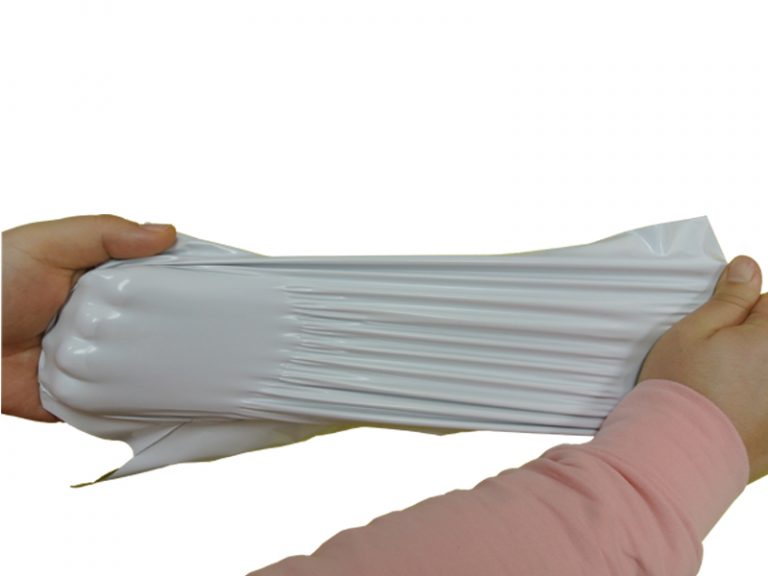
Compare suppliers on four practical dimensions: protection, logistics cost, sustainability credentials, and customisation. Protection looks at tear resistance and the moisture barrier — often a deciding factor for textiles and printed materials. Logistics cost includes weight and dimensional weight impacts on postage. Sustainability asks whether the material is recyclable in your market or compostable in industrial facilities. Customisation covers print quality, available sizes, and features such as a self‑seal strip or tamper‑evident seal. These criteria keep the evaluation objective rather than emotional.
How custom poly mailers win on protection and cost
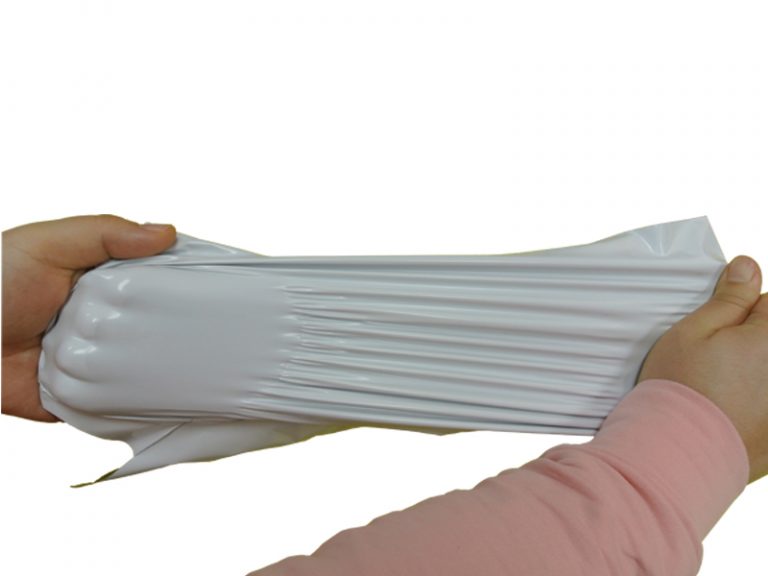
Poly mailers — typically made from LDPE or similar films — give reliable moisture resistance and strong tear performance at low unit weight. For businesses that ship soft goods, that reduced damage rate can lower return handling and re‑send costs. Customisation is another strength: WH Packing’s customised poly mailers allow precise sizing, printed branding, and choices of gauge (micron) so you don’t pay for excess air in the parcel. That means faster packing, fewer void fillers, and often lower dimensional weight fees on major carriers — a clear operational win. —
Where paper courier mailers still make sense
Paper mailers retain advantages for certain positions. Brands that emphasise compostability or a rustic, natural look may prefer kraft or recycled paper. Paper also reads well in boutique retail imagery and can be better perceived by some eco‑conscious customers. However, paper loses ground where moisture, abrasion, or puncture risk is present — it may need inner liners or padding, which adds complexity and cost. Remember that coatings and laminates to improve performance can reduce a paper mailer’s recyclability, so check certifications rather than assume environmental benefits.
Operational trade‑offs to plan for
Decisions often hinge on the total cost of ownership rather than unit price. Consider the following: how fast can the packing line run with the chosen mailer; what is the storage density in your warehouse; and how frequent are postage re‑classifications due to dimensional weight? Poly mailers typically pack more densely and support higher throughput. Paper mailers may require more handwork or cushioning inserts. Also, test closure performance with your fulfilment team — a self‑seal strip on a poly mailer often beats gummed flaps for speed and tamper evidence.
Common mistakes and simple fixes
Brands commonly make three mistakes: assuming all “recyclable” claims are equivalent, underestimating damage risk from moisture, and neglecting first‑article proofs for printed designs. A practical fix is to request material data sheets (MDS) and local recycling guidance, run moisture and tear tests on sample shipments, and approve a pre‑production sample with your actual packing process. Small trials on a live route will reveal real‑world failure modes long before a full launch — and they are well worth the time. —
Evidence from the field
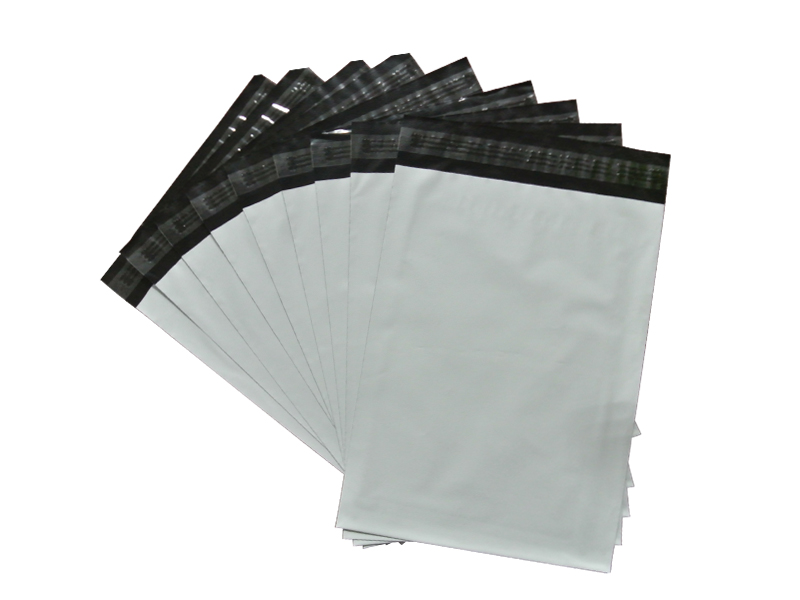
During the 2020–2021 e‑commerce spike, many small sellers reported that switching to thicker poly mailers reduced return rates tied to water or handling damage, while keeping postage down because of lower dimensional weight. Larger retailers also noted gains in packing speed when using self‑sealing poly options. These practical observations align with the protective and logistical strengths discussed earlier and underline why many merchants rebalanced their packaging mix after that period.
Three golden rules for choosing the right mailer
1) Match protection to product risk: choose poly mailers for moisture‑sensitive or soft goods; use paper only when the product and route are low‑risk. 2) Measure total cost: include postage, damage rates, packing time, and storage. 3) Verify sustainability claims locally: ask for Material Data Sheets and check your local recycling/composting rules.
Good packaging decisions reduce cost, improve customer experience, and protect brand reputation — and for many merchants the balanced outcome is a customised poly mailer that fits the SKU rather than a one‑size‑fits‑all paper pack. In practice, that is exactly the value WH Packing delivers with tailored sizes, print options, and reliable film choices, so you can match protection, presentation, and shipping economics — WH Packing. —