
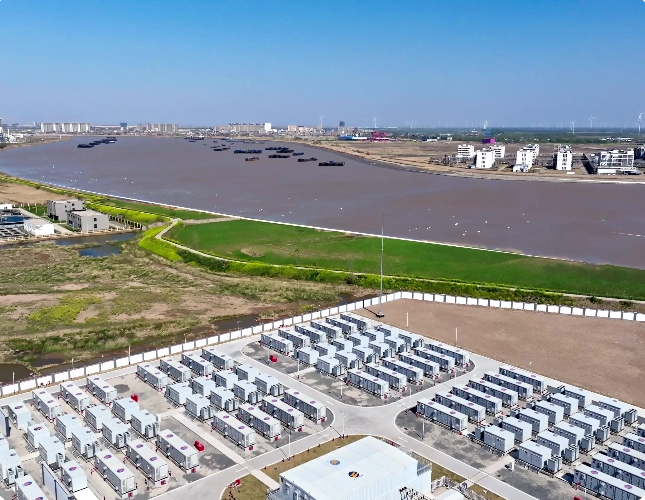
Why enclosure design becomes the decisive factor
Comparative insight begins with a simple premise: two battery systems with identical cells can perform very differently once installed. For project owners and engineers the choice of enclosure is not cosmetic; it dictates thermal management, ingress protection and the reliability of the battery management system under stress. Early decisions therefore shape lifetime availability, safety outcomes and maintenance costs. Companies such as hithium energy storage and other leading energy storage system manufacturers recognise this and design enclosures to address site-specific threats from the outset.

Core variables in a head-to-head comparison
When comparing modular cabinets or racks, focus on three tangible variables: mechanical resilience, environmental sealing and serviceability. Mechanical resilience covers seismic restraint and structural integrity; environmental sealing is about ingress protection ratings and condensate control; serviceability addresses internal access, cable routing and swap-out procedures for modular rack units. These are measurable attributes — not marketing claims — and should appear in manufacturer datasheets and test reports.
How seismic protection strategies diverge
Designers adopt one of two broad approaches to seismic risk. Some favour heavy, over-engineered frames and anchorage that restrict movement; others use energy-dissipating mounts and flexible cable management that allow controlled motion. The former reduces relative displacement but increases mass and cost; the latter manages loads dynamically and can be superior in high-frequency earthquake zones. For installations in seismic regions of India, Japan or California, check whether the supplier has performed shake-table tests or provided finite-element analysis for their specific enclosure layout.
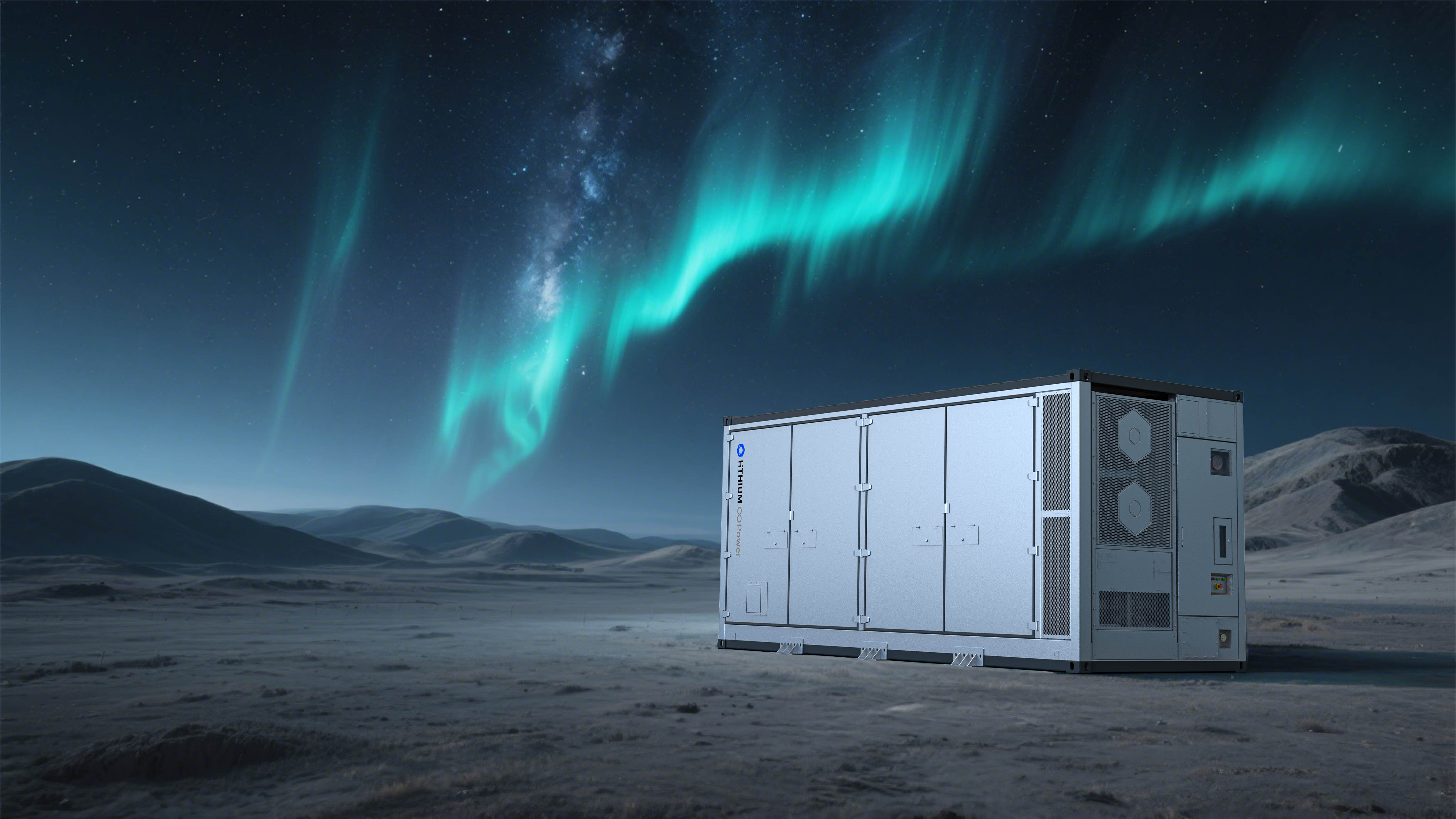
Ingress protection: ratings and practical meaning
Ingress Protection (IP) ratings are often quoted, yet their real-world meaning varies with installation. IP66 or IP67 offers strong resistance to dust and water jets, but you should also ask about material choice, seal longevity, and drainage for condensate. Thermal management strategies intersect here: high ingress integrity can trap heat unless the enclosure includes controlled ventilation, heat exchangers or active cooling tied to the battery management system. A well-sealed cabinet without adequate thermal paths will shorten service life — a frequent oversight in comparative evaluations.
Real-world anchor: what deployments have taught us
Large-scale examples illustrate the point. Projects such as the Hornsdale Power Reserve in South Australia proved grid-scale batteries deliver fast stabilisation services; they also showed that site-specific enclosure choices affect uptime and maintenance intervals. Lessons from that and similar deployments led many manufacturers to refine modular designs, emphasising cable flexibility, replaceable thermal modules and certified ingress seals. Those refinements are visible in contemporary products from credible energy storage system manufacturers.
Common mistakes and pragmatic checks
Avoid three recurring errors: relying solely on IP numbers, ignoring vibrational testing, and underestimating field maintenance. Inspectors sometimes accept manufacturer claims without requiring third-party validation. Demand test reports for shock, vibration and ingress — and ensure serviceability trials are part of FAT or SAT. Also verify the integration of the battery management system into the enclosure design; a physical layout that obstructs sensor wiring or cooling ducts represents an operational risk.
Vendor comparison checklist
Use this compact checklist when sizing vendors: certified seismic calculations, verified IP and condensation management, modular thermal components, clear access for swapping battery modules, and documented lifecycle maintenance plans. Prioritise suppliers who publish test evidence and who provide spares strategy for modular rack elements — those reduce downtime and whole-life cost.
Three golden rules for selection
1. Match the enclosure strategy to the site: choose rigid anchorage for low-frequency, high-magnitude zones; prefer damped, flexible systems where movement is expected. 2. Evaluate ingress protection as a system: seals, drainage and thermal paths together determine performance. 3. Insist on serviceability metrics — mean time to repair and module swap procedures — and confirm them in a factory acceptance test.
These rules lead naturally to the kind of engineered solutions available today from experienced suppliers; that is where the practical value of HiTHIUM becomes apparent — they bridge lab-proven enclosure design with field-oriented maintainability. —