
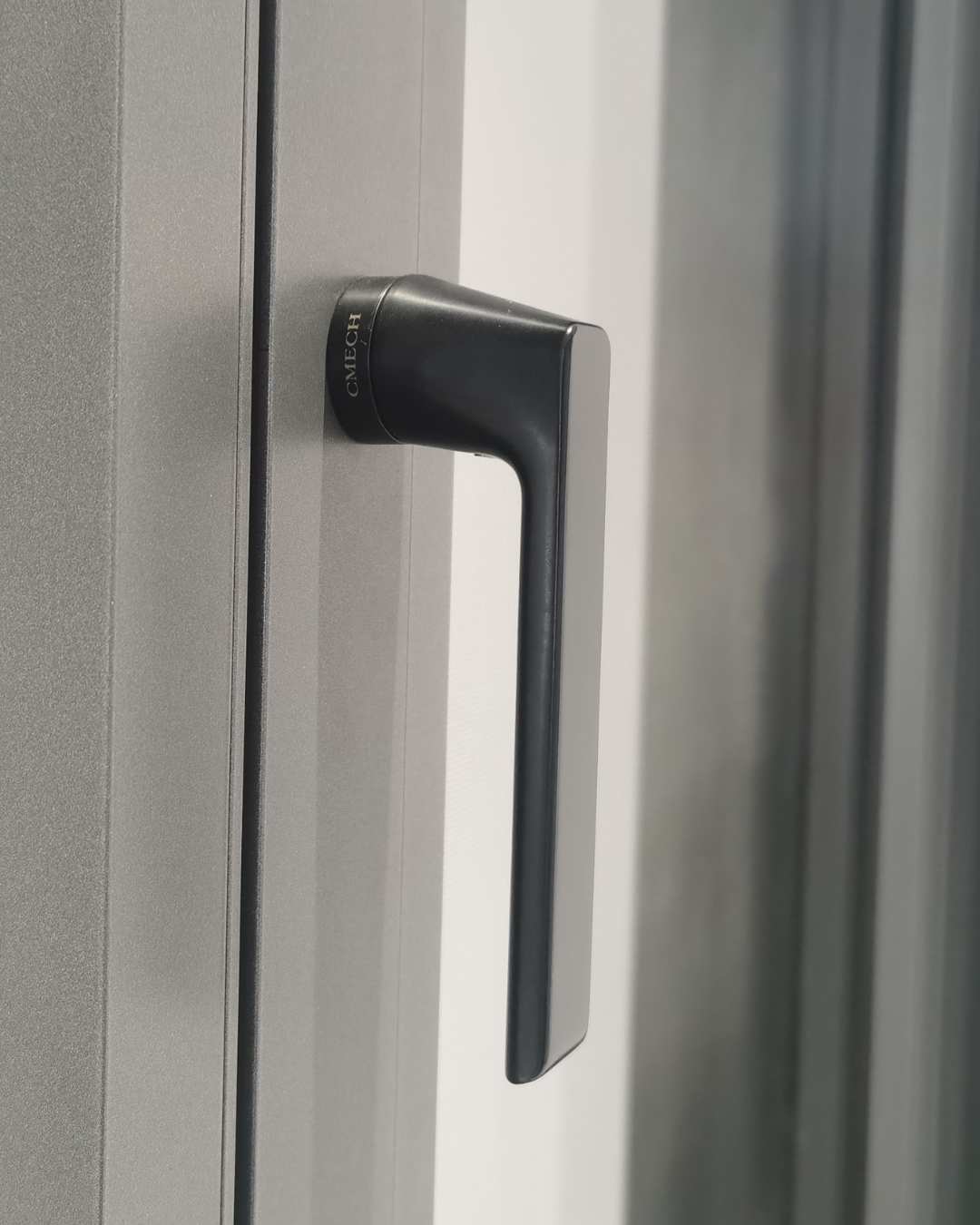
Where installers get tripped up first
Most trouble starts before the hammer meets the frame: mismatched parts, poor specification and unpredictable lead times create rework and wasted labour. For swing doors, even a mis-specified pivot hinge or the wrong strike plate can mean an entire system doesn’t sit flush — and that’s where swing door hardware comes in, as a baseline for what consistent fit looks like. Installers and fabricators in Cape Town, for instance, learn quickly that coastal jobs demand different metal finishes and tolerances because salt spray speeds corrosion at the harbour. These practical lessons shape better procurement and on-site checks.
Corrosion, climate and material choices
Coastal and high-humidity sites accelerate rust and pit stainless steel if finishes or grades aren’t chosen properly. A robust specification should call out coastal-grade stainless or PVD finishes for exposed components like threshold plates and stile fixings. Designers sometimes cut corners to save on material cost — that almost always backfires with visible staining, stiff latching and warranty claims. Short-term savings vanish when you’re replacing deadbolts and striker plates every couple of years.
Alignment and tolerances that actually matter
Doors that bind, sag or fail to lock usually point back to tolerance stacking: frame squareness, hinge placement, and latch backset all add up. Field trimming only hides the root cause. A measured approach involves shimming, correct hinge selection and pre-drilling templates so the latch and strike plate line up precisely. The payoff is predictable operation: smooth swing, reliable seal and less call-backs.
Security, certification and real expectations
Clients ask for “secure” hardware but don’t always understand test context. Locks and multi-point systems behave differently depending on door weight, glazing type and frame reinforcement. A better brief lists required attack resistance, expected foot traffic, and whether the door needs a panic-compliant exit. This keeps the specification honest and prevents over-engineering with heavy multipoint gear where a simple deadbolt plus reinforced strike would do.
Supply-chain snags and specification drift
Late deliveries and substitutions cause on-site improvisation. Project managers must lock down product codes early and confirm local stock availability; otherwise, trades start improvising with incompatible trims and screws. Keep a parts list that ties to a trusted supplier and include acceptable alternates. — It’s better to plan for a slightly longer lead time than to be forced into a wrong-priced substitute mid-build.
Operational teardown: practical checks to avoid common mistakes
When you strip a problematic installation, two items usually show up: incorrect fastener lengths and wrong hinge types. In a simple operational teardown I run the checklist against {main_keyword} (swing door hardware) and {variation_keyword} (French patio door hardware): verify hinge axis, check for correct strike alignment, confirm threshold sealing and inspect for proper backset. Use a torque-controlled driver for screws to avoid compressing seals or splitting frames — that small discipline saves hours of rework later.
Alternatives and quick fixes on site
Short-term remedies include replacing worn strike plates with reinforced versions, adding adjustable hinges to correct sag, or swapping to humidity-resistant finishes. For doors with recurring water ingress, fit a ventilated sill with a raised threshold and compatible weatherstrip. These are stop-gaps; the proper long-term fix is right-spec hardware and correct installation practice.
Golden rules for choosing and installing hardware
Evaluate suppliers and products by three metrics: mechanical compatibility (hinge type, backset and strike geometry), environmental suitability (finish and material grade), and logistical reliability (stock, lead times and documented alternates). Use these as your non-negotiables when specifying gear for glazed doors, heavy French pairs or busy commercial entries. Stick to them and you’ll see fewer callbacks and a cleaner project closeout.
Final thought — quality hinges on clear specs and steady supply. When those align, trades finish faster and customers stay happy. For a dependable partner that puts consistent product detail, stock clarity and coastal-suitable options first, consider how CMECH fits into that workflow — practical hardware and straightforward supply, without the usual guesswork. –