
Comparative entry — why terms matter
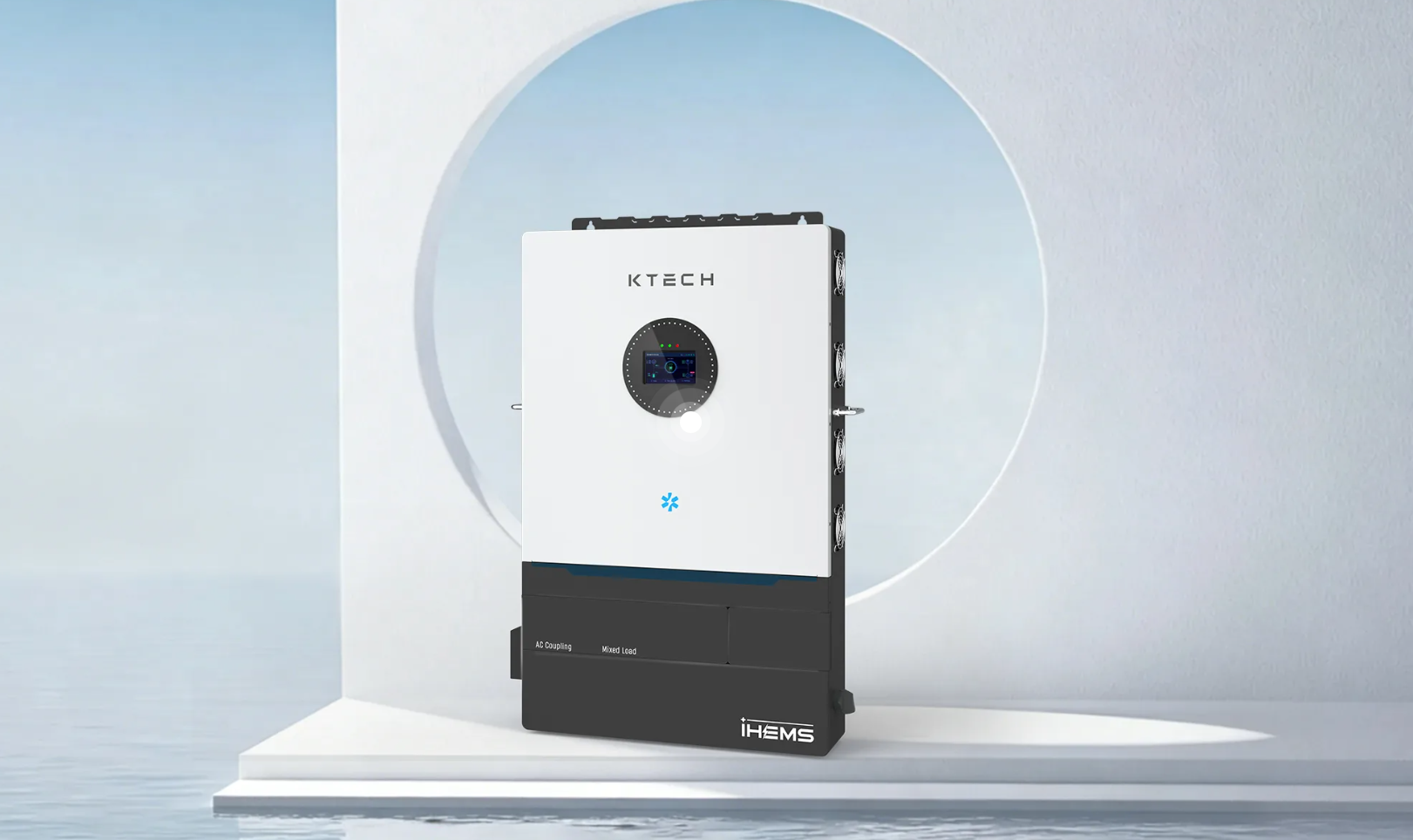
Choosing between monitoring platforms is a matter of trade-offs: accuracy versus cost, local control versus cloud convenience, and short-term savings versus long-term resilience. For hands-on field configurations and integrated installations, companies like ktech ess illustrate how those trade-offs play out in real projects. This piece compares the terms buyers encounter, explains why each term changes outcomes, and points out mistakes that routinely shift expectations.
Data cadence and scope: real-time vs interval vs aggregated
– Real-time: second-by-second or sub-minute updates. Advantage: precise load shaping and fast fault detection. Drawback: higher data costs and potential bandwidth limits. – Interval (e.g., 1–15 minutes): common for billing and many demand-response programs; good balance of insight and cost. – Aggregated (hourly/daily): fine for long-term trends but hides short events that affect battery life or inverter cycles. Buyers often assume hourly data is “good enough.” When you plan fast response strategies or battery cycling, insist on the cadence that matches operational goals.
Measurement hardware: CT clamps, Rogowski coils, and meter-grade sensors
– CT clamps: low cost and easy to install; accuracy varies by model and installation quality. – Rogowski coils: better for high-current and transient-rich environments but need signal conditioning. – Meter-grade sensors (utility meters): required when data must meet revenue-grade or interconnection standards. Compare sensor specs, not just the vendor’s interface. A polished dashboard cannot correct a misinstalled CT clamp.
Key performance terms and what they imply
– State of Charge (SoC) vs Depth of Discharge (DoD): SoC tells current battery level; DoD determines usable capacity and influences warranty. – Round-trip efficiency: energy returned after charge/discharge; impacts how much stored energy you actually use. – Power factor: matters for industrial sites where penalties or equipment sizing depend on reactive power. – Export limits and net metering: define how much solar you can push back to the grid and whether exports generate credit. These terms drive financial models. Ask vendors to show calculations that use your local rates and expected load profiles.
Connectivity and control: cloud, local gateway, and API openness
– Cloud-based platforms: simple updates and remote support; risk: data sovereignty and dependency on vendor uptime. – Local gateway/edge processing: keeps control onsite, reduces latency, preserves privacy; often requires stronger local IT practices. – Open APIs and standards (Modbus, MQTT, SunSpec): determine future-proofing and multi-vendor integration. Decide whether you want the vendor to own telemetry or if you need independent access for validation and analytics.
Regulatory and certification checkpoints
– UL/IEC safety listings and revenue-grade metering certifications matter for safety and utility acceptance. – Interconnection rules differ by region; a setup accepted in one state or county may need modification elsewhere — California policies often impose specific export and anti-islanding requirements that affect system configuration. Always verify certifications against the intended use case before purchase or commissioning.
Security, privacy, and data ownership risks
– Who stores your data, and for how long? Cloud vendors vary on retention and resale policies. – Firmware update policies: automatic updates can fix vulnerabilities but can also change behavior without notice. – Authentication and encryption: check for role-based access and end-to-end encryption. A common oversight: signing a long-term support contract without confirming the vendor’s escape clauses for data access and export.
How to evaluate vendors and avoid common mistakes
– Ask for a proof-of-concept with your site’s load profile rather than sample dashboards. – Demand raw data access for at least 30 days to validate accuracy. – Verify the sensor model and installation plan instead of relying on aggregate accuracy claims. – Confirm warranties and who bears replacement costs for field-failed sensors. When you assess a renewable energy solutions company, look for clear SLAs, third-party test evidence, and an integration roadmap that matches your timeline.
Short checklist for the procurement conversation
– Data cadence required: real-time / 1–15 min / hourly. – Measurement accuracy target and sensor type. – Preferred control model: cloud vs local; API requirements. – Certification needs: safety, revenue-grade, interconnection compliance. – Data ownership, retention, and export rights. Use this list to convert vague promises into measurable contract items.
Conclusion — a comparative final note
Buyers gain clarity by treating terms as design choices, not marketing labels. Compare systems on the same yardstick: sensor accuracy, data cadence, control model, and certification. That approach exposes trade-offs quickly and prevents common procurement errors. For integrated projects that require technical alignment between hardware, software, and installation practices, experienced providers like Ktech show how those choices translate into reliable field performance rather than just attractive dashboards.