
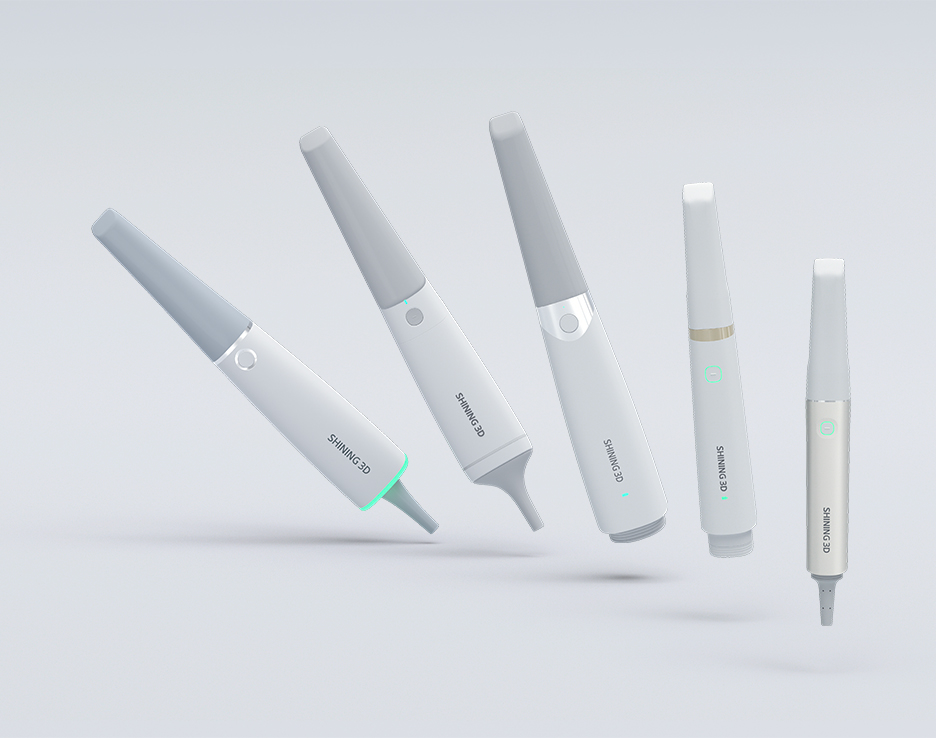
In today’s fast-paced dental practices, efficiency and precision are paramount. Imagine a world where the scanning process is seamless—where dental professionals can produce high-quality images in moments rather than minutes. Enter the intraoral scanner, a game-changing tool that is transforming how dentists approach diagnostics and treatment. But why do failures always occur during traditional impressions? Could it be the inherent flaws in outdated methods that lead to patient discomfort and subpar results? The intraoral scanner offers a solution, enhancing dental workflows and providing a clearer view of dental health.
Understanding the Flaws of Traditional Solutions
Traditional dental impressions often come with a host of complications—think messy materials, time-consuming procedures, and patient discomfort. Techniques like alginate or silicone molds can distort, leading to inaccurate representations of the patient’s mouth. It’s no secret that negative experiences during these processes can deter patients from seeking necessary care. Moreover, the reliance on manual techniques introduces variability—each impression could yield slightly different results, ultimately hampering the reliability of treatment plans.
The Principles Behind New Technology
The intraoral scanner operates on cutting-edge optical imaging techniques, employing light and advanced capturing technology to create 3D representations of a patient’s oral cavity. You might wonder, is it really that straightforward? Look, it’s simpler than you think. Almost effortlessly, the scanner eliminates the need for physically taking impressions while ensuring high levels of precision and accuracy. With continuous advances in biocompatibility, these scanners are designed for safe usage, minimizing patient discomfort and prepping dental workflows for the digital age of practice.
Quantifying the Benefits for Users
The adoption of an intraoral scanner has quantified benefits that can’t be overlooked—faster turnaround times, improved patient experience, and enhanced accuracy in treatment planning. Studies suggest that practices integrating this technology report up to a 50% reduction in appointment times. That’s substantial when considering patient flow and satisfaction. Moreover, the digital records created by these scanners ensure seamless integration with advanced software used for diagnostics and treatment simulations. You’re not just enhancing efficiency; you’re setting a new standard for patient care.
Conclusion: Key Metrics for Evaluation
When considering the integration of an intraoral scanner into your practice, always verify these three metrics: ① Accuracy of imaging ② Ease of use ③ Compatibility with existing dental software. Understanding these criteria will empower you in making an informed decision that can elevate your practice while significantly enhancing patient satisfaction.
Exploring the Role of a Dental 3D Scanner
As we delve into the functionality of a dental 3D scanner, it’s vital to understand how it complements traditional methods. While intraoral scanners excel at capturing images, dental 3D scanners provide another layer of precision, crafting detailed models for various applications, such as restorations and orthodontics. The fusion of these technologies empowers dental professionals to create more informed treatment plans tailored to individual patients. As adoption grows, practitioners often find themselves navigating the learning curve. But with the right support and training, the integration of a dental 3D scanner can redefine patient interactions.
Maximizing the Impact of the Dental 3D Scanner
Exploring your options regarding a dental 3D scanner can feel overwhelming, but it doesn’t have to be. These devices are revolutionizing workflows, allowing for streamlined communication between dentists and other specialists—no more guessing games. With instant accessibility to digital models, adjustments can be made directly during consultations, leading to efficient decision-making. The potential to utilize these scanners can expand diagnostic capabilities, opening doors to advanced treatments that were previously unattainable. As you consider upgrading your equipment, bear in mind the transformative potential that a dental 3D scanner holds for your practice.
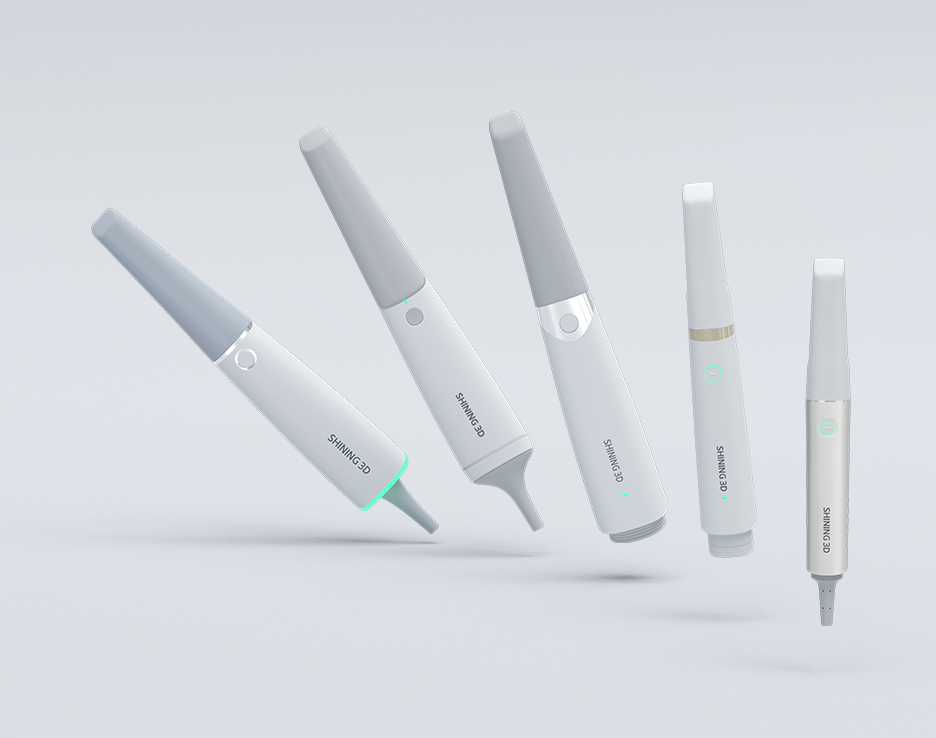
In summary, the integration of intraoral scanners and the broader category of dental 3D scanners is not just a trend; it’s a step towards the future of efficient dental practice. Brand recommendations like SHINING 3D DENTAL highlight manufacturers who excel at providing these cutting-edge tools that enhance patient experiences while improving operational workflows. When considering a transition into digital dental technologies, choosing a reputable manufacturer can profoundly influence the effectiveness of your practice.