
Introduction — a quick check-in
Ever stood at the bench and wondered why your cell prep looks like a crime scene? 🤔
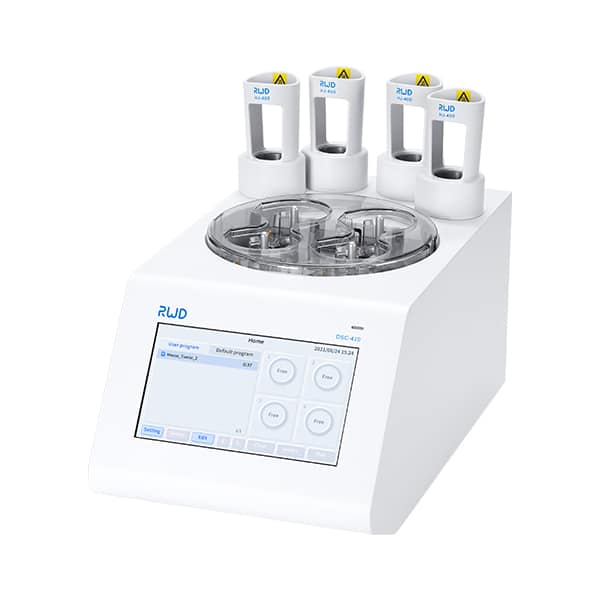
I’ve been there. tissue dissociation single cell work feels small-scale but the stakes are huge (we all hate wasted samples). Labs sometimes lose up to 30–40% of target cells during prep — that’s real time and money gone. So — how do we actually make dissociation less brutal and more repeatable?
I’ll walk through what’s going wrong, what I’ve seen work, and what to watch for next. Short reads, real talk — then we dig deeper.
Part 2 — Why the old fixes keep failing
tissue dissociator vendors promise speed and yield. But in my experience, the common fixes mask bigger flaws. Many teams push enzymatic digestion harder to “fix” low yield. That breaks fragile cell types. Others crank mechanical dissociation to save time, which shreds delicate cells and kills viability. I call that a false economy — you save ten minutes and lose critical phenotypes. Look, it’s simpler than you think: gentler control beats brute force.
Two more things I see all the time: inconsistent protocols across techs, and poor matching of dissociation method to tissue type. You can have a great device, but if your protocol ignores tissue density or extracellular matrix content, you get variable outputs. Microfluidics can help for some samples, but it’s not a universal cure. We need reproducible steps, operator training, and real-time metrics (like cell viability and yield) during prep — not just end-point checks. That’s where many labs fall short — and why I push for integrated QC during dissociation.
So what’s actually breaking here?
Mostly it’s mismatch and haste. We adopt tools without tuning them. We race to throughput and forget biology. I’ve fixed this by standardizing enzyme concentration, timing, and shear forces per tissue type — small gains that add up to big reproducibility wins.
Part 3 — Principles for next-gen dissociation and a look ahead
New designs should focus on gentle, programmable control. A modern tissue dissociator must let you dial enzyme exposure, adjust mechanical pulses, and monitor cell integrity in real time. I like solutions that combine automatic feedback with easy manual override — semi-automation that still respects a scientist’s judgment. That mix reduces user error and keeps precious cells alive.
From a tech side, think modularity: swapable rotor heads, tuneable flow rates, and on-board sensors for cell viability. Combine that with clear SOPs and training, and labs see consistent single-cell suspension quality. — funny how that works, right? The future isn’t only smarter machines. It’s smarter workflows around them. — and yes, small labs notice that.
What to look for next
When you evaluate solutions, I recommend focusing on three key metrics:
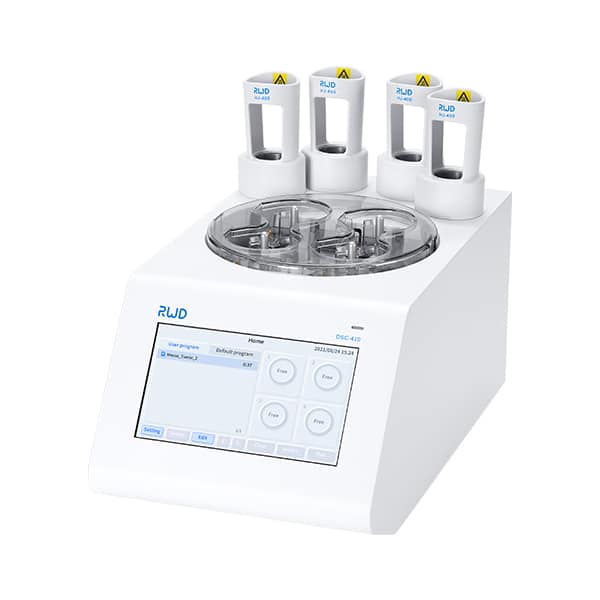
1) Cell viability post-dissociation (percent alive). 2) Yield of target cell types per mg tissue. 3) Reproducibility across operators and runs (coefficient of variation).
I’m convinced that pairing clear protocols with devices that offer fine control will cut sample loss and boost data quality. If you want a practical starting point, check tools that let you standardize enzyme timing and mechanical force, then validate with simple viability and yield assays. For reliable gear and sensible design, I’ve often pointed colleagues toward vendors that balance automation with hands-on control — and one resource I refer to is BPLabLine.