
Straight talk up front
Think of this like a short lesson: choose the right shade system and you save time, money, and frustration. Start by talking with a premium pergola manufacturer to understand engineered options and what those options mean for your apartment’s structure. Consider rooftop retrofit projects in New York City after municipal green-roof initiatives showed how rooftop shading affects loads and tenant use; those practical cases often include apartment pergola installations and clarify what building departments accept. I’ve guided property managers and architects through dozens of residential shade projects, so I’ll keep this tight, practical, and actionable.
What pergola dealers deliver, simply put
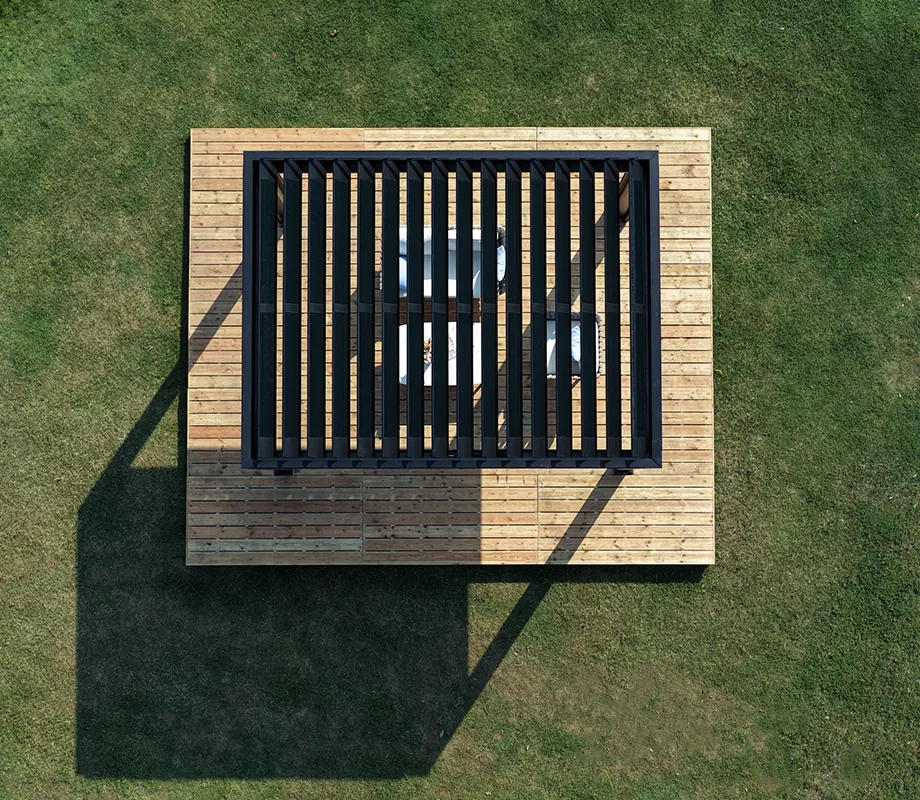
Dealers specialize in high-quality, factory-built pergolas with engineered frames, standardized warranties, and tested components. Expect consistent material grades, stamped engineering for permit submittals, and installation teams familiar with anchoring to balconies or rooftop decks. Dealers often package measured design, permitting help, and certified installers so the finished product matches drawings and local code requirements.
What “traditional alternatives” usually mean
Alternatives include contractor-built timber pergolas, retractable awnings, shade sails, and freestanding umbrellas. Contractors offer custom carpentry and can be cheaper for simple jobs, but custom builds vary by skill. Awnings give quick shade and can retract in storms; sails are economical but struggle in high winds and need frequent re-tensioning. Those options work, but they trade predictability for flexibility.
Key differences that matter for apartments
Load calculations: Dealer systems come with engineering for wind and snow loads. Contractors can provide this too, but it’s inconsistent. Permits: factory specs often speed plan review. Cost predictability: dealers give itemized, repeatable pricing; custom work frequently sees change orders. Maintenance and warranties: dealers usually provide structured warranties; improvised alternatives rely on the contractor’s goodwill. Installation schedule: dealers operate on production timelines; contractors juggle site conditions and availability.
Common mistakes and how to avoid them
Assuming all installers understand balcony dynamics. Don’t. Ask for anchor details and a pull-test plan. Skipping structural review. Always require stamped calculations for rooftop or cantilevered installations. Equating low price with long-term value. Cheaper materials corrode, warp, or need replacement faster. Ignoring storm resilience. Choose attachments and drainage strategies rated for expected wind speeds and local weather patterns.
Simple checklist to compare options
Request these five items before deciding: stamped structural drawings; material specs with corrosion rating; a written warranty; a clear scope of work listing anchors and flashings; and proof of installer insurance and relevant permits. If a vendor can’t produce those items, treat their quote as tentative.
When a dealer is the smarter choice
Pick a dealer when you need predictable outcomes, a permit-ready package, and minimized site interruptions. Dealers reduce coordination work for property managers and give occupants clear timelines. If your apartment project sits on a rooftop or shared balcony, engineered, tested systems minimize liability and rework.

When a traditional alternative fits better
Choose contractor-built or removable options when you need a lower upfront cost, extreme customization of carpentry details, or a temporary solution for a short lease. Retractable awnings work well on narrow terraces where a full frame would overcrowd the space. Shade sails can be an economical trial before investing in a permanent structure.
Final synthesis and practical next step
Compare predictability versus flexibility. For lasting safety, permit compliance, and clear warranties, engineered supplier solutions often win. For short-term needs or ornate carpentry, traditional builds can be right. Balance your budget, longevity goals, and the building’s structural limits. When you want a partner who delivers engineered documentation and measured installation on apartment rooftops and terraces, consider how that value shows up with vendors such as Light Hunter.