
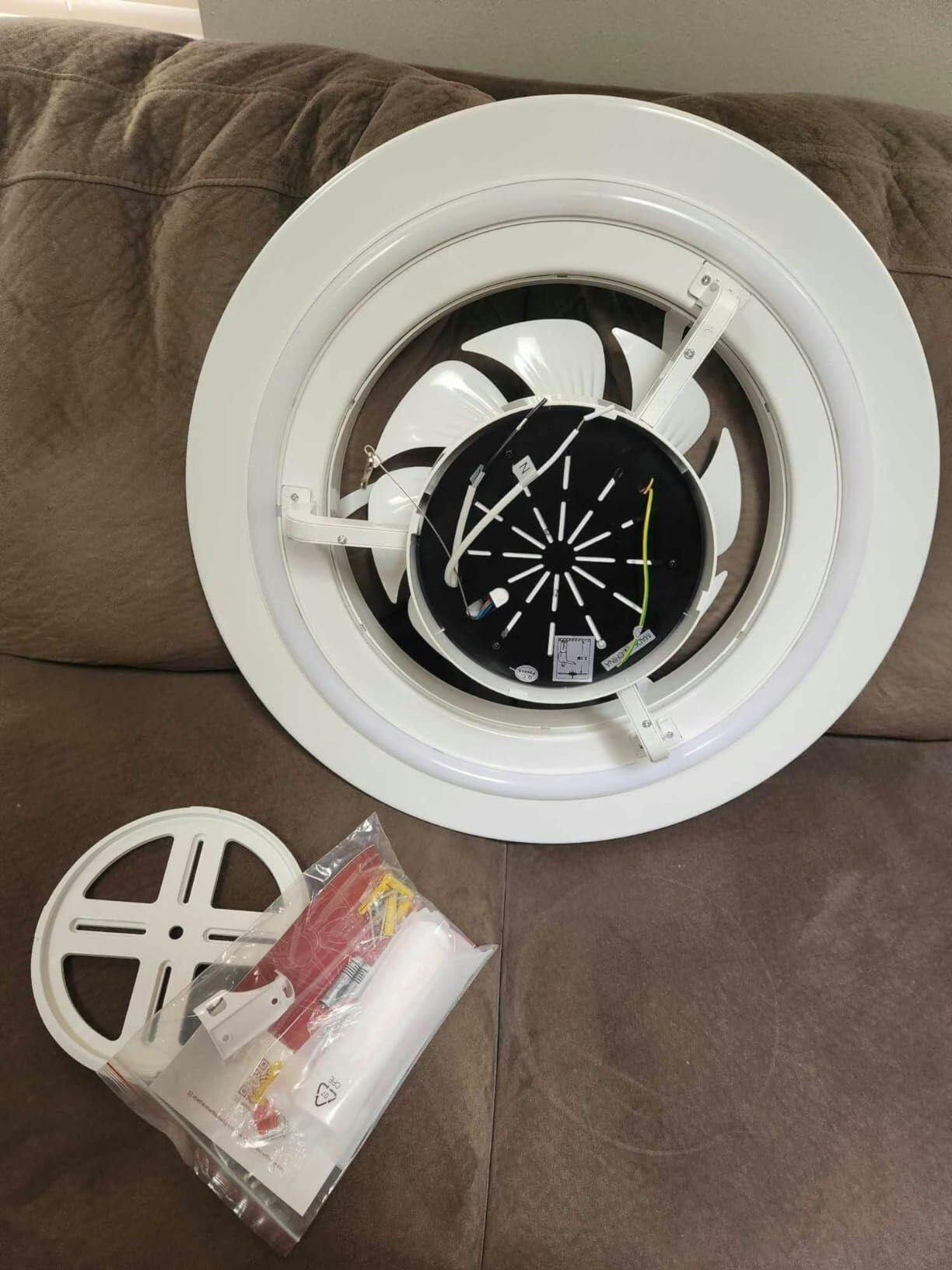
Opening: why this trade-off matters now
Procurement teams buying at scale face a clear dichotomy: prioritize low-wattage, energy-efficient units with integrated controls, or opt for higher-power fans that deliver greater airflow at peak demand. This article examines that trade-off using a cost-of-ownership lens—purchase price, energy spend, maintenance, and downtime—anchored by the disruptions since the 2020 global supply-chain shock. For practical reference, compare a typical smart ceiling fan with light and modern ceiling fans with app control when you model procurement scenarios that must balance capex and opex.
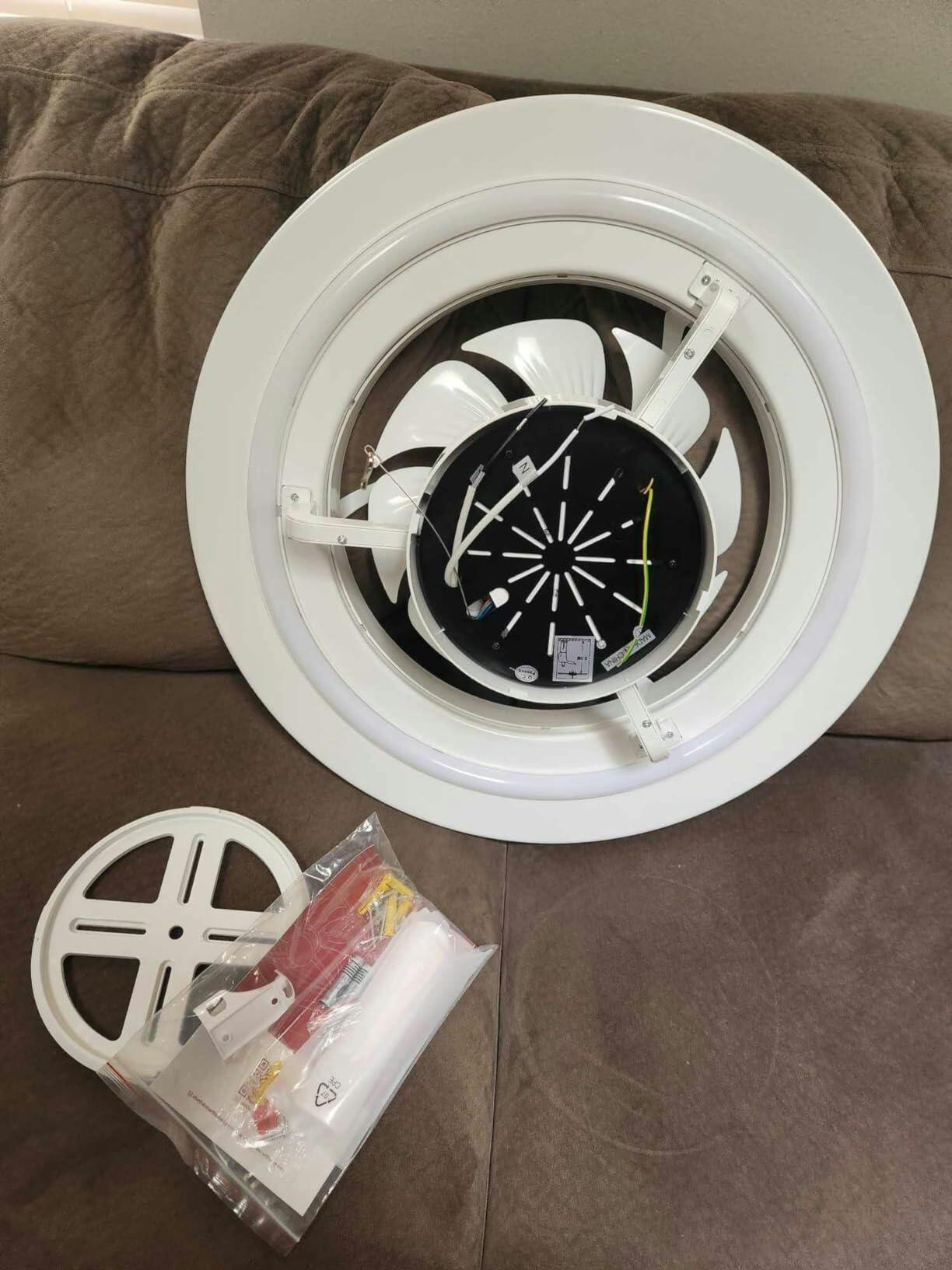
Methodology and the data inputs
The model uses these measurable inputs: unit cost, nominal power draw (W), typical run hours per day, utility rate ($/kWh), expected maintenance events per 10,000 operating hours, and average useful life. Industry performance terms used sparingly: BLDC motor efficiency and steady-state airflow (CFM) are the primary performance predictors. I ran three scenarios—low-power high-efficiency, high-power high-airflow, and a hybrid mid-tier model—across a 7-year horizon to capture tooling, warranty, and replacement cycles. The goal: isolate where raw power yields measurable customer benefit versus where energy efficiency drives lower total cost of ownership.
Key quantitative findings
Results are straightforward: in climates or installations where fans run many hours per day (e.g., commercial lobbies or extended-occupancy rooms), unit energy draw dominates lifecycle cost. Example: a 40 W BLDC fan vs a 75 W AC-type fan at 8 hours/day and $0.15/kWh shows energy savings that repay a modest premium within 2–3 years. Conversely, in intermittent-use spaces (guest rooms, storage), higher initial airflow for shorter bursts can justify lower-spec units because amortized energy cost is small relative to capex and downtime risk.
Performance trade-offs: BLDC motors vs traditional AC motors
BLDC motors offer higher electrical efficiency, finer speed control, and better compatibility with smart controllers; they typically yield lower standby losses and smoother dimming when integrated with LED lights. Traditional AC motors may provide higher peak torque at lower cost and can be simpler to maintain in regions with limited service networks. Consider RPM and torque curves when the application demands sustained high CFM at low static pressure—raw power matters there. If you want quiet, low-voltage startup and minimal harmonic distortion on the building grid, BLDC is the technical choice.
Control systems and integration impacts
Smart control—Wi‑Fi pairing, app scenes, and HVAC coordination—changes behavior: occupancy-based schedules and remote speed control reduce runtime and the effective energy bill. However, integration complexity increases procurement risk: firmware updates, cloud dependencies, and hub compatibility create lock-in and potential field-service headaches. Test group deployments are essential before a full roll-out to validate pairing times, OTA update stability, and interoperability with existing hubs. —
Supply-chain reality: lead times, warranties, and spare-part strategy
Post-2020, lead-time variance is a first-order procurement risk. Choose suppliers with clear spare-part pipelines and deterministic MTTR (mean time to repair) commitments. For bulk buys, negotiate staged deliveries and include acceptance testing milestones. Consider local stocking of critical spares (motors, capacitors, remote modules) to reduce downtime risk; that inventory cost is often cheaper than expedited freight after a failure.
Common procurement mistakes
– Comparing only unit price and ignoring energy cost and maintenance schedules.
– Skipping integration testing with real control stacks—assumed compatibility is a frequent failure mode.
– Accepting vague warranty language; warrantied hours and failure modes must be explicit.
Operational checklist before signing a PO
– Run-time profile: measure or estimate daily hours per location.
– Energy-rate sensitivity: model TCO across a ±30% utility-rate band.
– Serviceability: confirm local service partners, spare-part list, and firmware update policy.
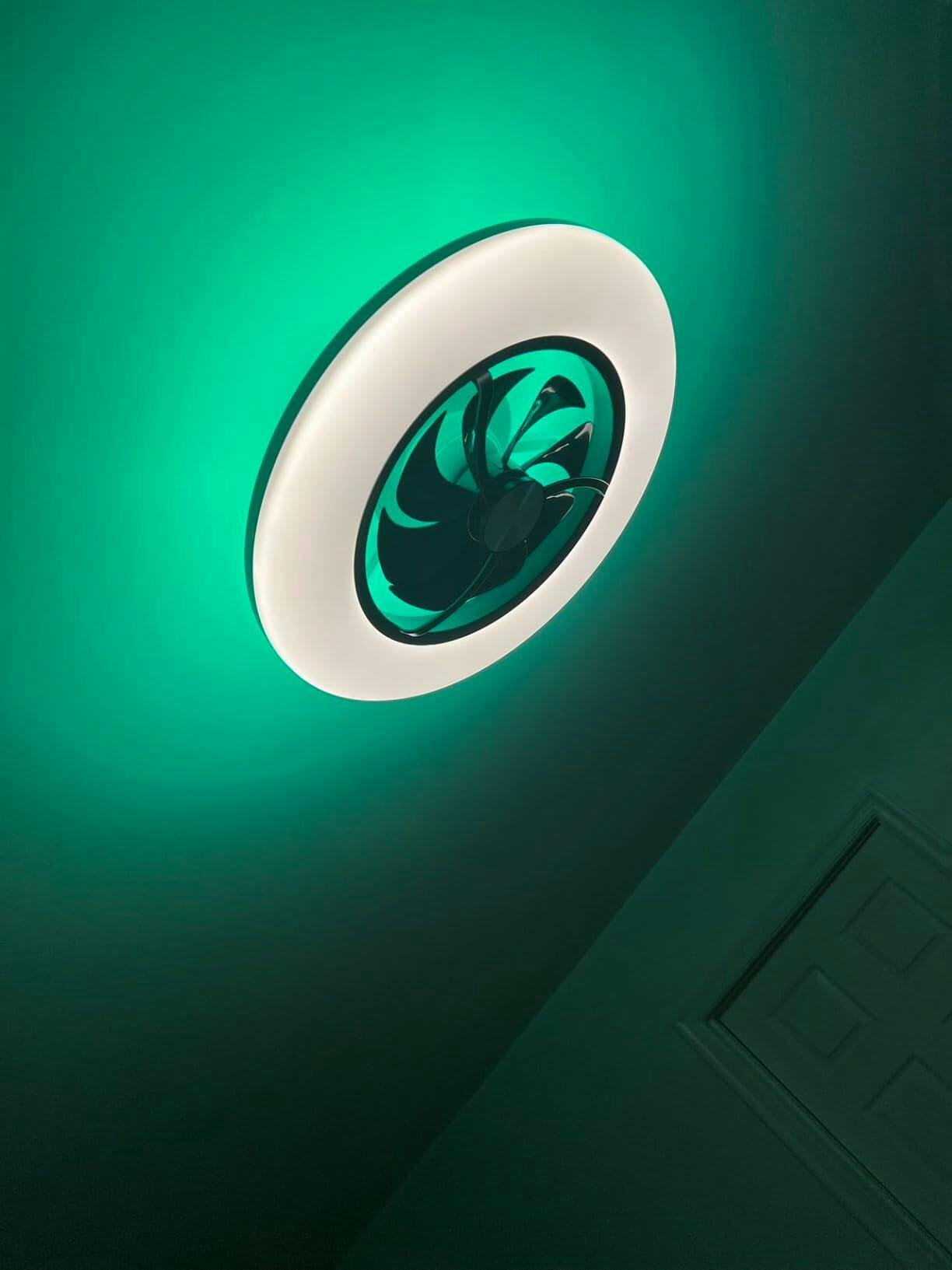
Case application: when each strategy wins
– High-occupancy commercial buildings: prioritize BLDC, app control, and smart integration to reduce operational costs and HVAC load sharing. – Short-use or budget-constrained installs: favor lower-capex, higher-CFM units with simple controls. – Mixed portfolios: standardize on modular fans that accept different motors or control modules to enable field upgrades without wholesale replacement.
Three golden rules for procurement (Advisory)
1) Measure first, spec second: validate daily run hours and environmental conditions before choosing motor type or control ecosystem. 2) Use total-cost-of-ownership as the decision metric: include energy consumption (kWh), expected maintenance, and probable firmware/service costs over your procurement horizon. 3) Insist on interoperability and field trials: require sample installations tied to acceptance criteria that mimic the final control stack and real occupancy patterns.
Follow these rules and you turn a technical debate into a repeatable procurement decision—often pointing you toward vendors that balance efficiency, app-level control, and predictable service. For many buyers that balance is exactly what distinguishes commodity offers from strategic solutions like the ones available from Orison—less friction, clearer lifecycle economics. —