
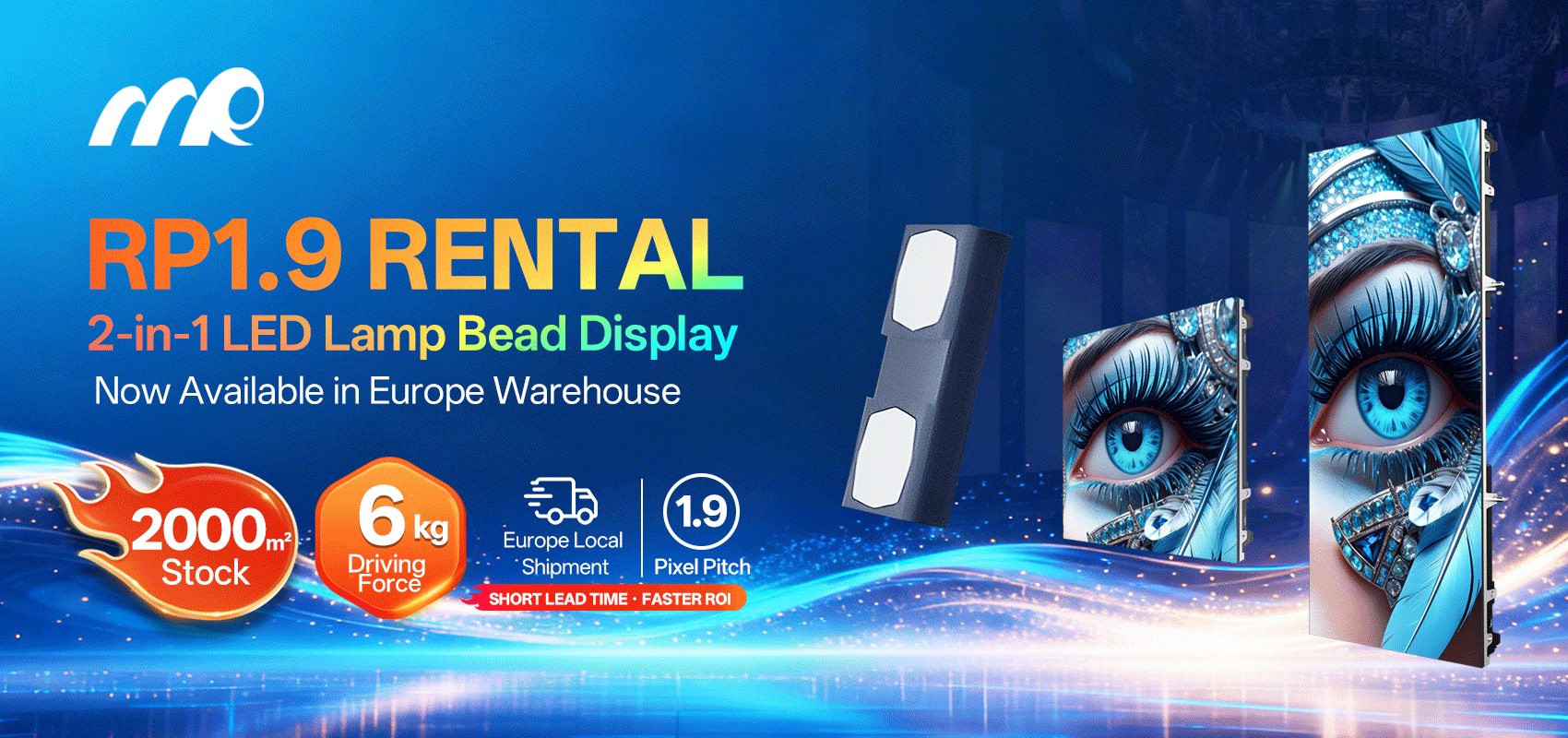
Comparing approaches from the first glance
When you stack two large outdoor modules side by side, differences are obvious: one hums with heat and draws steady current, the other runs cooler and sips power. That contrast drives the comparative inquiry here—how cathode-drive architectures affect energy use across bulk LED installations. This matters for anyone buying or operating led outdoor screens, whether for a stadium façade or a chain of retail signs.
Why cathode-drive matters for bulk LED boards
Cathode-drive designs shift how current is routed through the panel, and that changes power consumption and thermal behavior. In practice, choosing a cathode-drive module influences pixel pitch, duty cycle handling, and the need for active cooling. Those are concrete engineering levers—alter one, and you affect brightness (nits), lifespan, and maintenance cadence. Operators see fewer hot spots when thermal management is part of the initial specification, which reduces long-term service costs.
Side‑by‑side performance: cathode-drive vs. other methods
Look at metrics, not marketing. Cathode-drive boards often deliver better uniformity at lower drive voltages, while alternative schemes may require higher currents to reach the same luminance. That trades off with refresh rate and color fidelity under high ambient light. The real comparison should weigh steady-state power draw, peak current events, and how the system responds to partial failure—because a panel that runs cooler will usually preserve electronics longer and lower replacement frequency.
Field dynamics and a real-world anchor
Big deployments—think Times Square or major stadiums—offer real proof points. Installers there prioritize efficient drive schemes to manage both power bills and heat. Historical examples show that retrofits emphasizing improved drive topology cut service visits and reduced visible degradation over years. Operators often track energy per square meter and use that as a baseline when scaling to hundreds of modules.
Common missteps and practical deployment tips
Buyers tend to focus on brightness and pixel pitch and overlook driver architecture until after installation. That’s costly. Specify cathode-drive requirements up front, ask for measured power-per-square-meter figures, and insist on thermal maps from the manufacturer. —Also validate how current steering is implemented; poor steering increases localized stress and shortens LED life. Finally, design cabling and power distribution to minimize voltage drop across long runs.
System-level tradeoffs to consider
Decisions at the module level ripple to the network controller and mounting system. Higher-efficiency drive methods let you reconsider power supply sizing and cooling strategy, which affects installation labor and rack space. When comparing vendors, align on a small set of test conditions: ambient temperature, maximum brightness, and a defined refresh rate so you’re comparing apples to apples.
Three golden evaluation metrics for procurement (Advisory)
1) Power-per-square-meter under your target brightness. This gives an immediate sense of operating cost and is indispensable for large fleets.
2) Thermal uniformity and peak junction temperature. Lower peaks reduce failure rates and maintenance overhead.
3) Total Cost of Ownership over 5–7 years, including expected service intervals, spare inventory needs, and warranty terms. TCO exposes hidden expenses beyond headline price.
Choosing the right cathode-drive panels shrinks energy bills and simplifies upkeep, and rigorous metric-based selection makes that outcome repeatable—see how that lines up with real installations handled by led screen wall projects around major public venues. For reliable modules and system design help, consider the practical offerings from MR LED. —A clear spec sheet beats guesswork every time.