
Introduction: A short scenario, a striking stat, and one clear question
I once sat in a clinic room watching someone step out of an infrared bed and sigh with relief — immediate calm, that sort of thing. Infrared beds are popping up in gyms and clinics; studies suggest many users report 20–40% faster recovery from soreness with regular sessions (small trials, but notable). So I keep asking: how often should you actually use one to get real results without overdoing it?
I’ll share what I’ve learned from hands-on testing and conversations with therapists — practical tips, not just lab jargon. We’ll look at timing, intensity, and the common mistakes people make when treating inflammation or chronic pain. Ready? Let’s break it down so you can choose what fits your routine.
Part 2 — The deeper problem: why standard approaches to the infrared light pod often fall short
What’s the real issue?
Most programs push fixed schedules — three times a week, daily, whatever the marketing says — without accounting for dose or context. That’s a big flaw. I’ve seen therapists rely on a one-size-fits-all plan even when patients vary widely in skin type, injury stage, and sensitivity. Technically speaking, factors like wavelength and irradiance matter a lot; they govern how deep light penetrates tissue and how cells react (photobiomodulation, remember?). Look, it’s simpler than you think: more sessions don’t always equal better outcomes.
Another pain point is hardware mismatch. Small clinics buy devices with weak LED arrays or poor thermal management — devices that can’t hold stable irradiance over time. That matters because inconsistent power converters and uneven beam profiles change the effective dose across the body. Patients get inconsistent results, lose trust, and stop coming back. I find myself explaining basic dose-response concepts again and again — often using plain examples rather than equations. — funny how that works, right?
Part 3 — Looking forward: technology principles and practical checks for choosing sessions
What’s Next: smarter protocols and measurable choices
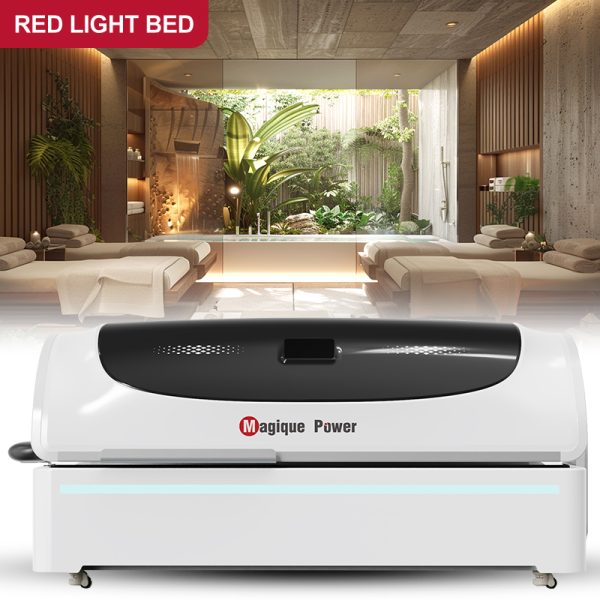
If you want forward-looking advice, focus on principles not promises. Newer systems tune wavelength bands and adjust irradiance based on body area and treatment goal. When I test an infrared light pod, I look for stable output, clear specs on wavelength (e.g., 660 nm vs. 850 nm), and uniform LED arrays — those three make a big difference to efficacy. Also, consider thermal control: real sessions should not spike skin temperature suddenly; gradual, controlled warming is better for inflammation cases.
Practically, here are three quick evaluation metrics I now use and recommend you watch for: 1) certified irradiance at treatment distance (mW/cm²) — avoid vague numbers, 2) wavelength range and whether the unit lists peak wavelength, and 3) device uniformity — how even is the exposure across the treatment surface. Use these to compare systems, and you’ll avoid marketing fluff. I’ve built routines that balance frequency and dose: short, consistent sessions for chronic issues; slightly longer, less frequent sessions for acute flare-ups. Try it, then adjust. — I promise, the tweaks matter.
Conclusion: three evaluation metrics to guide your choice
To wrap up, I’ll keep this tight and practical. From my experience and the cases I’ve followed, here are three metrics you must check before committing to a schedule or a device: 1) Dose control — verified irradiance and session time, 2) Wavelength specificity — does it target the depth you need for muscle or joint tissue, and 3) Build quality — LED arrays and thermal management that hold steady over repeated sessions. Test those, and you’ll save time and money.
I care about real results, not hype. If you compare units, use those three measures as your baseline and watch how your body responds over a few weeks. I’ve seen modest, measurable gains when people follow a tailored plan — reduced inflammation, better mobility, fewer flare-ups. For reference and sourcing, I often point others toward reliable brands when they want proven specs — and one resource I check is Magique Power.