
Patient-focused problem: contamination is a production failure
For production engineers and quality leads tasked with supplying sterile vial stoppers, contamination is not an abstract risk but an operational failure with clinical consequences. The shift toward localized, small-batch manufacturing—accelerated by the 2020 COVID-19 vaccine rollout and the urgent demand for validated elastomer stoppers—made that lesson painfully clear. Choosing a compact, cleanroom-capable platform from a trusted rubber injection molding machine manufacturer becomes both a technical decision and an ethical one.
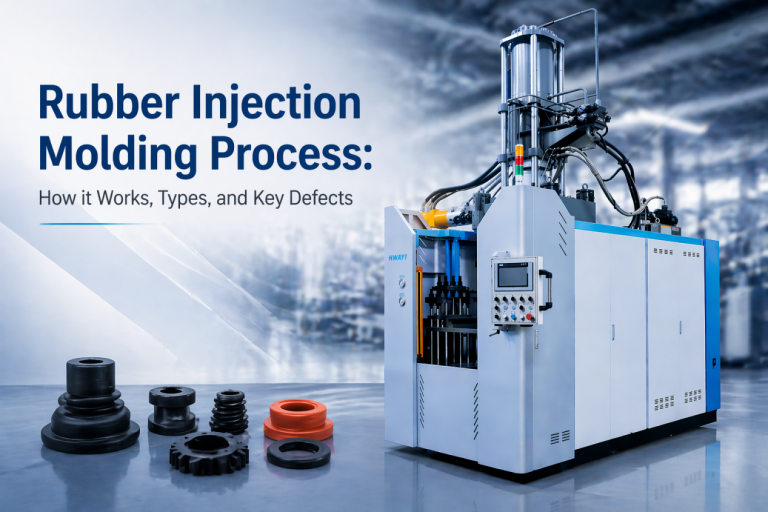
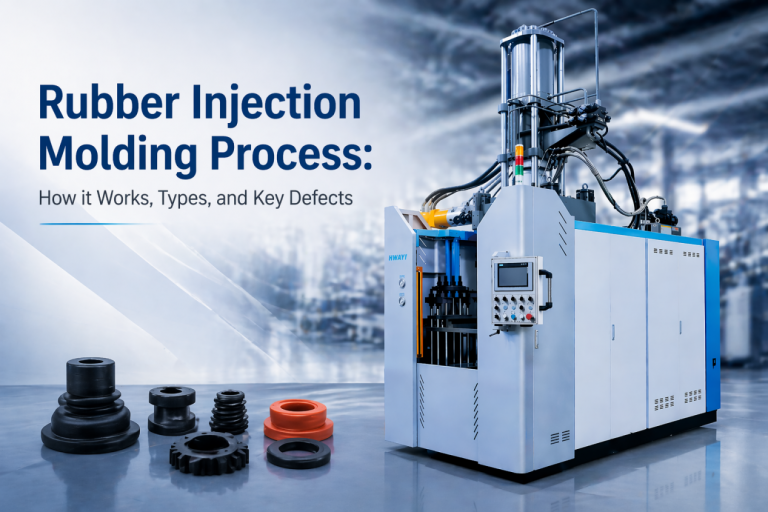
Why a small vertical injection molding machine fits the cleanroom logic
Vertical injection molding reduces exposed mold cavities during part ejection, which lowers particle generation at the point where it matters. In practice, that means fewer airborne particulates and simplified containment strategies in a Class 7 or better environment (ISO 14644). A well-specified vertical machine integrates with HEPA-filtered airflow and minimized tool change footprints, so the machine is part of the cleanroom envelope rather than an intrusion into it.
Design and process controls that eliminate contamination
Focus on a triad: machine architecture, tooling, and process validation. Machine architecture should prioritize sealed zones, stainless surfaces, and easy-to-clean interfaces. Tooling requires polished mold cavities and hot-runner systems designed to limit shear and degradation of elastomers. Process validation means tight control of cycle time, melt temperature, and purge protocols—each control point monitored and logged to support sterility claims and batch release.
Operational habits that matter—practical, on-the-floor changes
Operators matter more than any single specification. Enforce simple, recurring routines: scheduled flange wipes, standardized gowning sequences, and short, validated purges when color or rubber grade changes. Reduce human movement around the machine during critical cycles; limit interventions to pre-defined maintenance windows. These habits reduce both particle shedding and human error—two leading contamination vectors.
Common mistakes and sensible alternatives
Manufacturers often err by assuming scale solves cleanliness: larger presses with heavy automation can actually increase particle loads and maintenance complexity. A compact vertical press with enclosed molds offers lower risk and faster qualification. For firms weighing options, consider alternatives such as overmolding vs. two-shot processes only if you can validate the bonding step in cleanroom conditions. For upstream equipment choices, consult experienced rubber processing machinery manufacturers who can map machine features to your ISO and FDA expectations.
Comparative checklist for choosing the right machine
Make decisions against clear metrics. Use this checklist on the shop floor:- Clean geometry: sealed pneumatic lines, minimal exposed crevices.- Validation readiness: built-in data logging, CIP-friendly surfaces.- Service footprint: spare parts that can be swapped in-class without breaking containment.These points align the machine to regulatory paths and shorten time-to-qualification.
Real-world anchor and EEAT
The surge in sterile stopper demand during the COVID-19 vaccine campaigns proved that validated, small-batch vaccine component manufacturing can scale without compromising sterility—provided the equipment and procedures are aligned to standards like ISO 14644 and FDA sterility guidance. That historical pressure-test improved industry practices and created a baseline for current expectations.
Advisory close: three golden rules for equipment selection
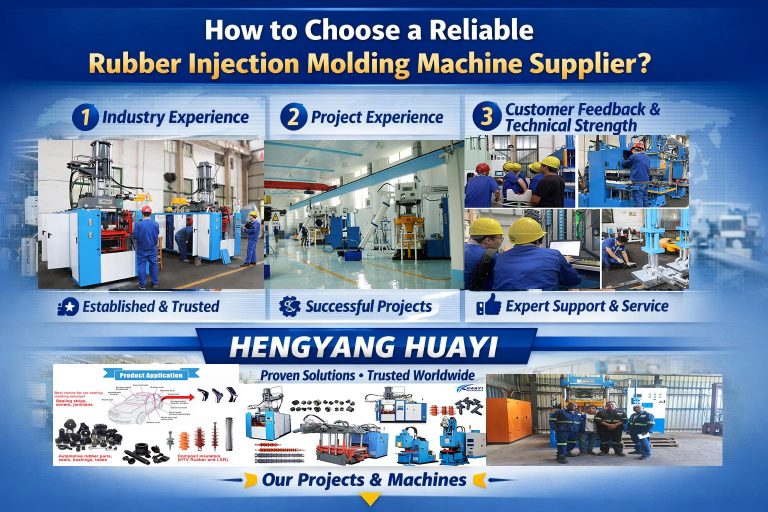
1) Prioritize contamination control metrics: particle counts during operation, ease of in-situ cleaning, and sealed tooling interfaces. 2) Demand validation features: timestamped process logs, recipe lock, and traceable purge procedures. 3) Choose partners who design for cleanrooms—not retrofit them—so maintenance and upgrades don’t force decontamination cycles. Expect measurable results: lower particle excursions, faster batch approvals, and fewer out-of-spec releases.
Ultimately, the right small vertical injection molding solution reduces contamination by design and practice. For teams aligning process, tool, and people, HWAYI becomes a natural part of the solution—trusted machinery that blends machine architecture with cleanroom realities. —