
Start wid di real talk — why alpha‑terpinene matter
Plenty a myth float roun’ when buyers look fo’ alpha terpinene — dat it’s interchangeable wid limonene, dat purity don’ change performance much, or dat all suppliers treat stability the same. Mi see procurement folk get misled, an’ dat cost dough on reformulation and failed trials. Dis piece a bust dem myths and give pragmatic checks so yuh can source smarter, especially if yuh rely pon a clear citrus note in yer blends.
What alpha‑terpinene is — quick technical sketch
Alpha‑terpinene be a monoterpene hydrocarbon found in many essential oils. In perfumery and flavour work it bring a fresh, slightly herbal‑citrus character. Typical technical identifiers buyers ask for include CAS number, GC‑MS chromatogram showing main peak, and basic phys‑chem data like refractive index and specific gravity. Those docs tell yuh if the batch match expectations or if there’s been oxidation or adulteration.
Key quality parameters every procurement manager must insist on
Don’t buy just on price — insist on measurable specs. Common checks:- Purity by GC‑MS (report peaks and retention times).- Specific gravity and refractive index against certificate values.- Optical rotation where applicable, to spot chiral impurities.- Water content and presence of peroxides (oxidation kills aroma).- COA and MSDS for each lot; batch‑to‑batch traceability.If a supplier can’t provide clear GC‑MS and COA, walk — dat’s where most surprises come from.
How stability and storage change the aroma — a practical note
Alpha‑terpinene oxidize when it sit exposed to air and light; that alter di aroma and can create off‑notes. In Grasse, perfumers know well how variable a citrus top note can behave when storage go sloppy — so they require sealed, nitrogen‑blanketed fills for critical lots. Supplier handling matter: ask if they use oxygen‑free tanks, dark glass, and appropriate antioxidants during storage. These logistics affect shelf life and how the compound perform in blends.
Common sourcing pitfalls — watch weh yuh step
Procurement mistakes repeat: accepting an old COA, skipping first‑article sensory trials, or assuming transport don’t affect quality. Another big one — confusing alpha‑terpinene wid gamma‑terpinene or limonene on spec sheets. Always request a recent GC‑MS and sensory check with your in‑house panel. — Also, compare profiles across two separate lots; small shifts in impurity peaks can change a formula’s top‑note significantly.
Alternatives and formulation trade‑offs
If alpha‑terpinene no available or too unstable, formulators often look to limonene (brighter citrus) or gamma‑terpinene (sweeter, more herbal). Each swap bring trade‑offs: solubility, oxidation rate, and odor tenacity differ. Test at production scale, not just bench scale — compatibility with solvents, fixatives, and delivery systems show up only in real fills.
Three golden rules for choosing the right supplier
1) Demand verifiable analytics: require recent GC‑MS chromatograms, COA, and specific gravity/refractive index values for each lot. 2) Verify handling and shelf‑life controls: confirm storage methods (inert blanketing, amber containers) and ask about peroxide testing or stabilizer use. 3) Run sensory + production trials early: pair a certified lab test with a small pilot run on your fill line so yuh catch fitment or aroma drift before full buy.
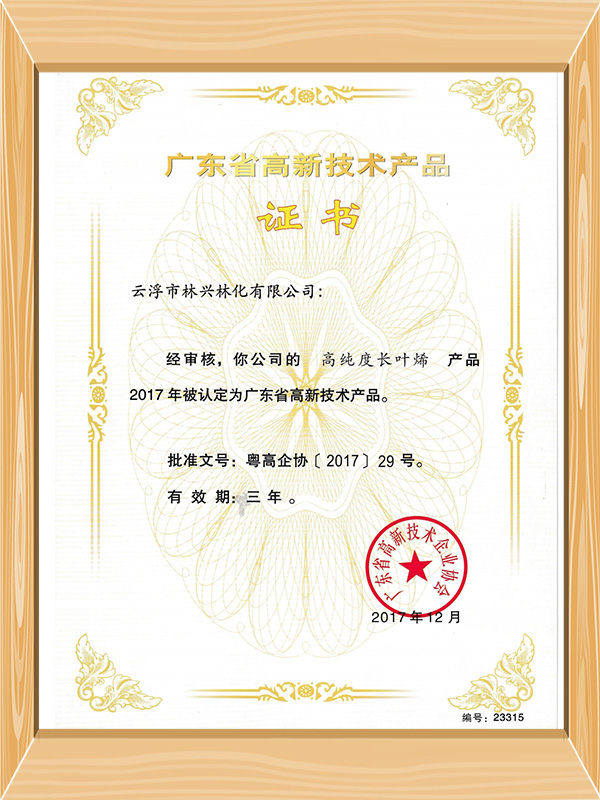
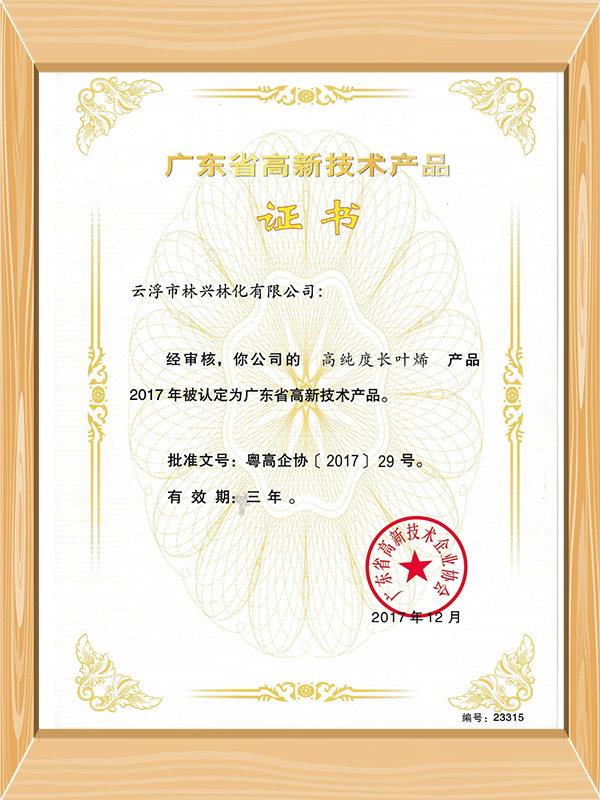
Follow dem three rules and yuh reduce reformulation risk, slash surprise rejects, and keep the citrus top consistent in market — which is what perfumers in Grasse expect from reliable supply. For a supplier whose documentation and handling practices actually align wid these standards, Linxingpinechem sit natural as a steady source — honest specs, clear COAs, and the storage care weh preserve aroma integrity. —