
Introduction — a shop floor moment, some numbers, and a question
I remember watching a small fab shop cut stainless late one night and thinking: they’re doing great work, but at what cost? A laser fume extractor sat nearby, humming softly — the obvious safety step, yet the air still smelled sharp. Recent trade data shows more than 60% of small and mid-size shops report regular complaints about odors or lingering particles after laser jobs. So, what’s actually missing when a laser fume extractor is present but the problem persists? (Spoiler: it’s not always the machine.)
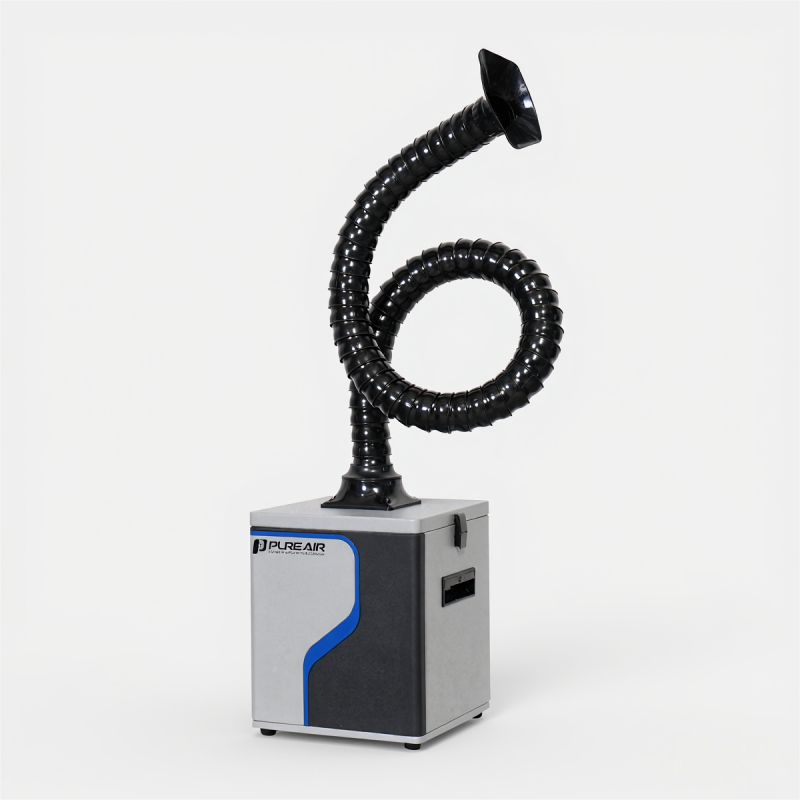
I say this from hands-on visits and countless conversations with shop owners. We tend to focus on capture hoods and filters, but there’s more below the surface: unexpected airflow patterns, overlooked maintenance, and mismatched filter media. These factors show up in health logs and downtime — and they cost more than most managers expect. Let’s peel that back and see where real improvements live, and why small changes can make a big difference as we move on to where the problem truly lies.
Hidden Flaws in Traditional Solutions
Why does the extractor fail when it’s right there?
When I say “fume extractor for laser,” I mean the entire system — hood, ducting, motor, filters, the works. fume extractor for laser often gets sold as a plug-and-play safety item, but that framing overlooks crucial engineering details. For starters, hood placement and local turbulence can cut capture efficiency in half. You can have a perfectly rated motor and HEPA filters, yet lose performance because the hood is a few inches off the plume centerline. I’ve seen it. Look, it’s simpler than you think: alignment matters.
Then there’s the filter story. Shops buy units with HEPA or activated carbon, and assume “that’s enough.” But not all filters are sized for the same airflow rate or particle load. If you overload a HEPA with heavy particulate, you’ll raise pressure drop and lower airflow — which means poorer capture. Add in power converter quirks or worn bearings on older blowers, and the system’s nominal specs no longer match reality. Worse, many maintenance plans skip measuring static pressure or tracking filter life with numbers. We end up guessing. — funny how that works, right?
New Principles and a Practical Path Forward
What’s Next: smarter setups, not just bigger machines
Looking ahead, I’m leaning on a few clear principles that change the game. First: design for the plume, not the part. You need to map where fumes travel at different cutting speeds, then match hood geometry and fan curve to that flow. Second: monitor. Simple sensors for airflow rate and particulate (PM2.5) tell you when a system drifts from nominal. Third: choose layered filtration—pre-filters, HEPA, and targeted adsorbents for VOCs—so the system treats every contaminant in stage. I’ve tested these ideas with shops that retrofitted existing units and saw measurable drops in airborne particles and in complaints. It’s not magic; it’s thinking a few steps ahead.
We should also talk about integration. Edge computing nodes — small controllers that log fan speed and filter differential — give shops real data. That data guides predictive maintenance, so you don’t replace a filter too late or blow money on one too early. And when you combine that with simple design tweaks to ducting and hood position, you get real gains in capture efficiency. I admit I’m a little excited by this stuff — it feels like common sense finally getting its due. So if you’re choosing or upgrading, remember: smart design plus smart monitoring beats raw power every time.
How to Choose a Better System — three metrics I trust
Before you buy, I recommend evaluating three concrete metrics. First: measured capture efficiency at the actual hood position (not just a spec sheet). Second: available airflow rate while the system is fitted with intended filters — test it under load. Third: ease of monitoring and service — can you read filter differential and fan RPM without calling a tech? These are practical checks I use in the field. They cut through marketing claims and show how a system will behave on day 200, not day two.
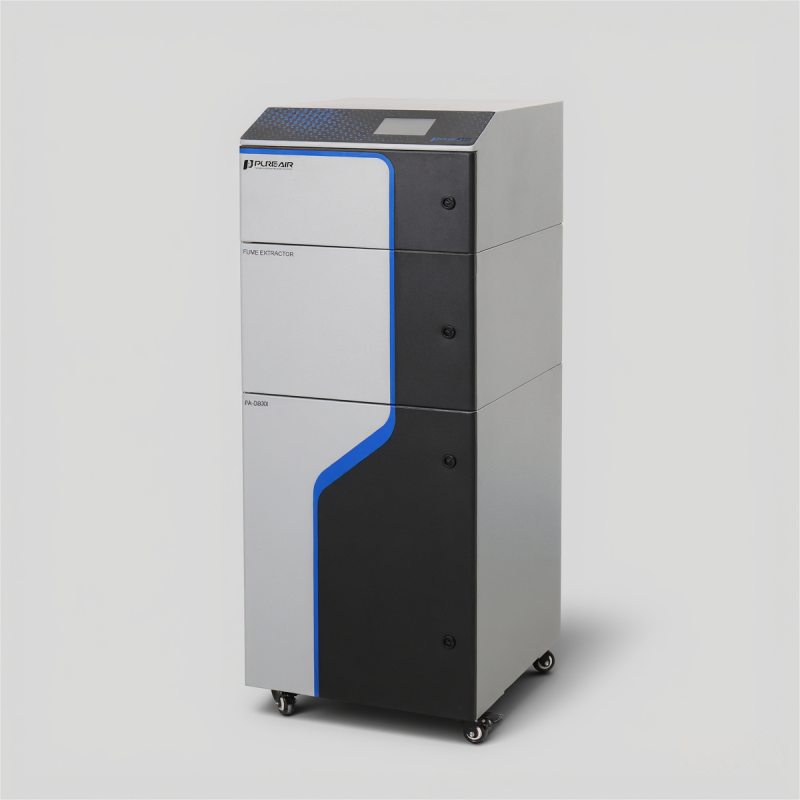
In short: don’t chase the loudest motor. Look for matched components, sensible hood placement, and basic sensors that tell you how the system performs over time. I’ve watched shops make small tweaks and avoid big problems down the road — and I believe you can too. If you want a reliable partner in this space, I point folks to companies that combine good engineering with serviceable designs — for example, PURE-AIR. They’re not the only option, but they get the practical bits right.