
Introduction: Understanding the Heart of Fast Charging
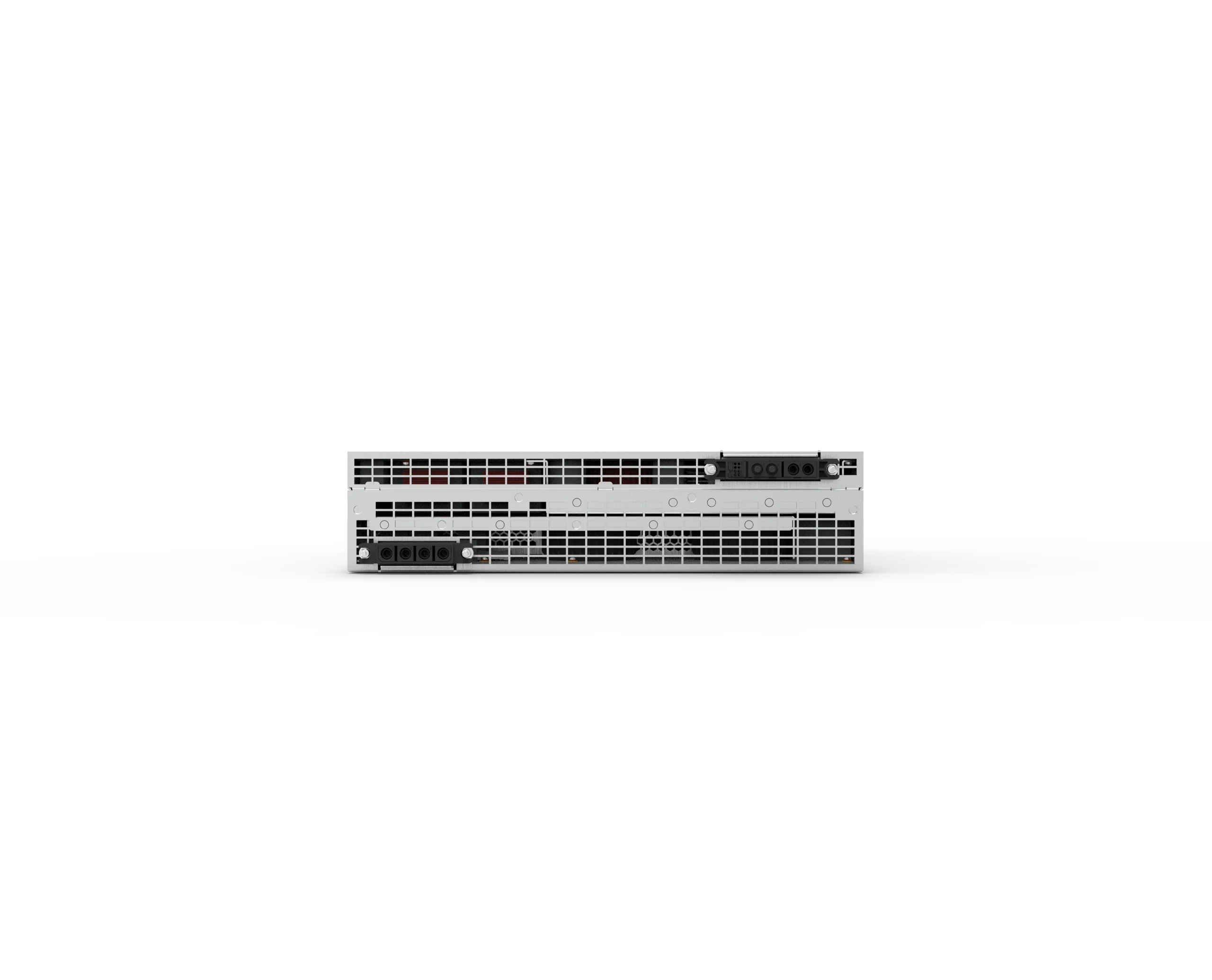
A fast charger is not a single box; it’s a chain of conversion, control, and protection working in sync. The EV charger power module is the core unit that turns AC into steady DC for the battery. It runs as a set of power converters that hold voltage and current under load, minute by minute. Picture a highway rest stop at dusk: eight cars roll in, demand spikes, temperature climbs, and uptime must stay above 99%. Data shows most stalls hit short peak bursts more than long steady loads. So the real test is response time and heat control, not only peak watts on a spec sheet (sí, that’s the twist). If the switching frequency drifts under stress, or thermal derating cuts power too soon, drivers wait. And in that line, every minute feels like ten. What if the bottleneck is not the grid, but how the module thinks under change? Let’s unpack where older designs struggle, and why a new approach pays off.
Hidden Gaps in Traditional Designs
Why do conventional modules miss the mark?
Most classic units chase headline numbers. Peak power. Peak efficiency. But daily duty cycles are messy—stop-and-go bursts, partial loads, and heat. Look, it’s simpler than you think: when a module is tuned only for full load, partial-load efficiency drops, harmonic distortion rises, and the DC bus gets noisy. That noise forces longer balancing time in the battery management system. The result: queues grow. Older rectifier stages also derate early in hot weather, so a site that should deliver 160 kW across four stalls might fall to 120 kW by noon—funny how that works, right?
There’s another pain point we often hide under the rug. Control loops are slow. If current steps up too fast, you get overshoot; too slow, the car thinks the charger is weak. Many legacy designs rely on fixed control maps and limited telemetry over CAN bus. They cannot “see” the real state at the edge. That lack of observability kills uptime during micro-faults. Without smart redundancy and fast fault isolation, one module hiccup can drop a whole stack. Add poor airflow pathways and you get hotspots near inductors, which speeds aging. In short: the flaws are not just in parts, but in how the system senses, reacts, and cools under real-world swings.
Comparative Insight: New Principles That Change the Game
What’s Next
Now compare that with newer control and power stages built on clear principles. First, fast transient control. Advanced DSP firmware tracks current steps in milliseconds, so the module settles with minimal overshoot. Second, thermal symmetry. Heat is spread across paths and sinks so no single choke or MOSFET cluster cooks first. Third, grid friendliness. Better input stages cut harmonic distortion and smooth the AC draw; the station plays nice with the utility. Modules designed in this way use high-efficiency topologies and smarter sensing, so partial-load efficiency stays high and response time stays tight. When you adopt this mindset, capacity feels bigger without changing the breaker—because stability beats spikes.
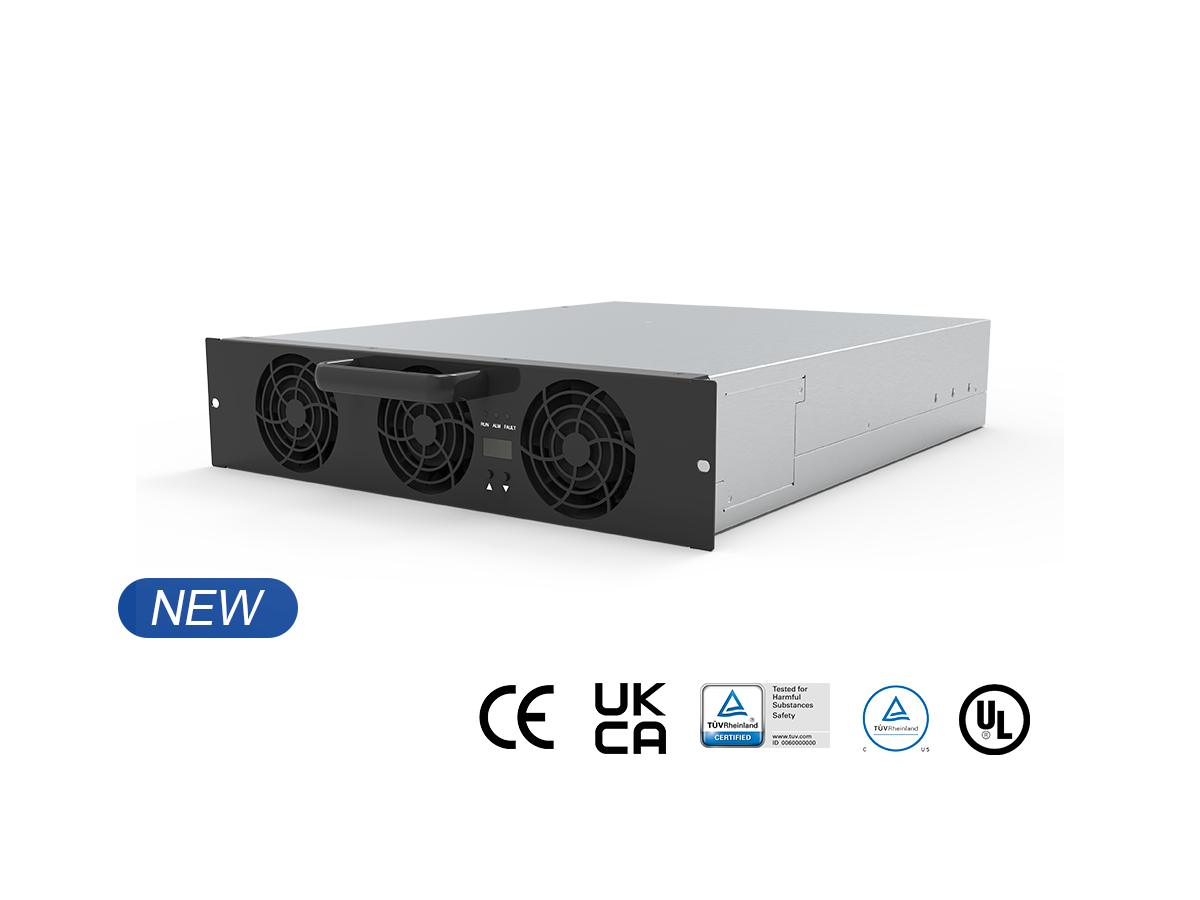
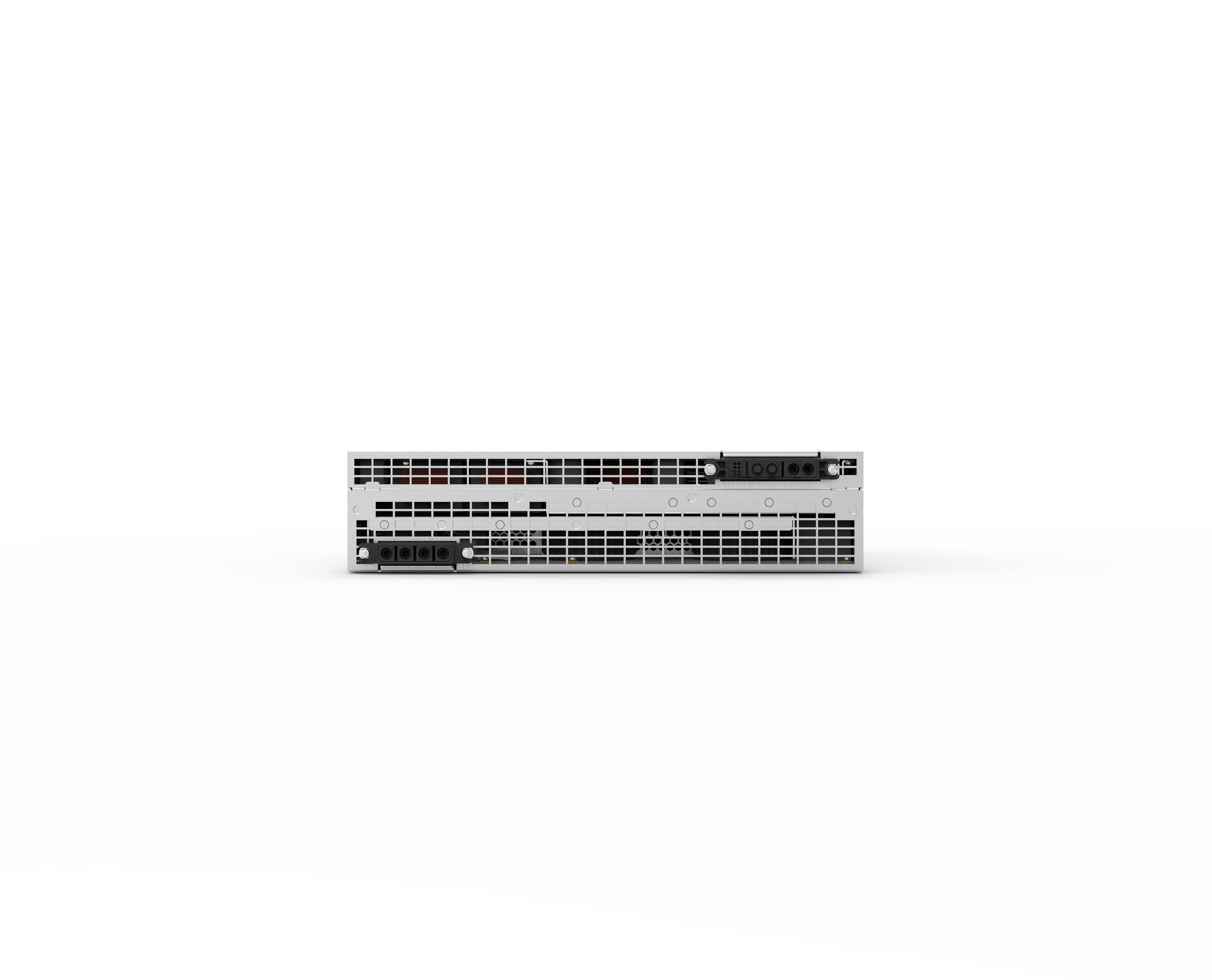
Here is where naming meets reality: solutions like AC DC modular power supplies 30 reflect this shift in practice. They bring configurable power steps, fast protection, and better EMI filter design. In a side‑by‑side, wide bandgap devices such as silicon carbide make a clear difference at high switching frequency; you get lower losses and cooler operation. That means fewer thermal derating events and steadier current into the pack. Add light “edge” logic at the cabinet—small edge computing nodes that monitor module health—and the system learns when to rotate modules, when to cool harder, and when to pause a weak unit. The driver just sees a solid session. We see a tighter loop and fewer alarms—because the module and the site share the same picture of the load.
Choosing Well: Metrics That Keep Sites Honest
We walked through the gap: old modules stumble at partial load, heat, and fast steps; newer ones stay efficient, cool, and quick under change. To pick the right path, track three metrics. 1) Partial‑load efficiency from 20% to 70% output, since most sessions live there. 2) Dynamic response: time to settle after a 30% current step, with overshoot kept within safe limits. 3) Thermal endurance: sustained power at 45–55°C ambient without sudden derating. If a unit scores high on those, uptime goes up and queues go down—drivers feel that, even if they never see the graphs. Keep the tone practical, keep the data close, and keep the site quiet and fast. And when you map vendors, note who proves field stability, not just lab peaks (todos lo sabemos, the real world decides). For a deeper look at ecosystems that support this kind of reliability, see winline EV charger.