
Why this problem matters now
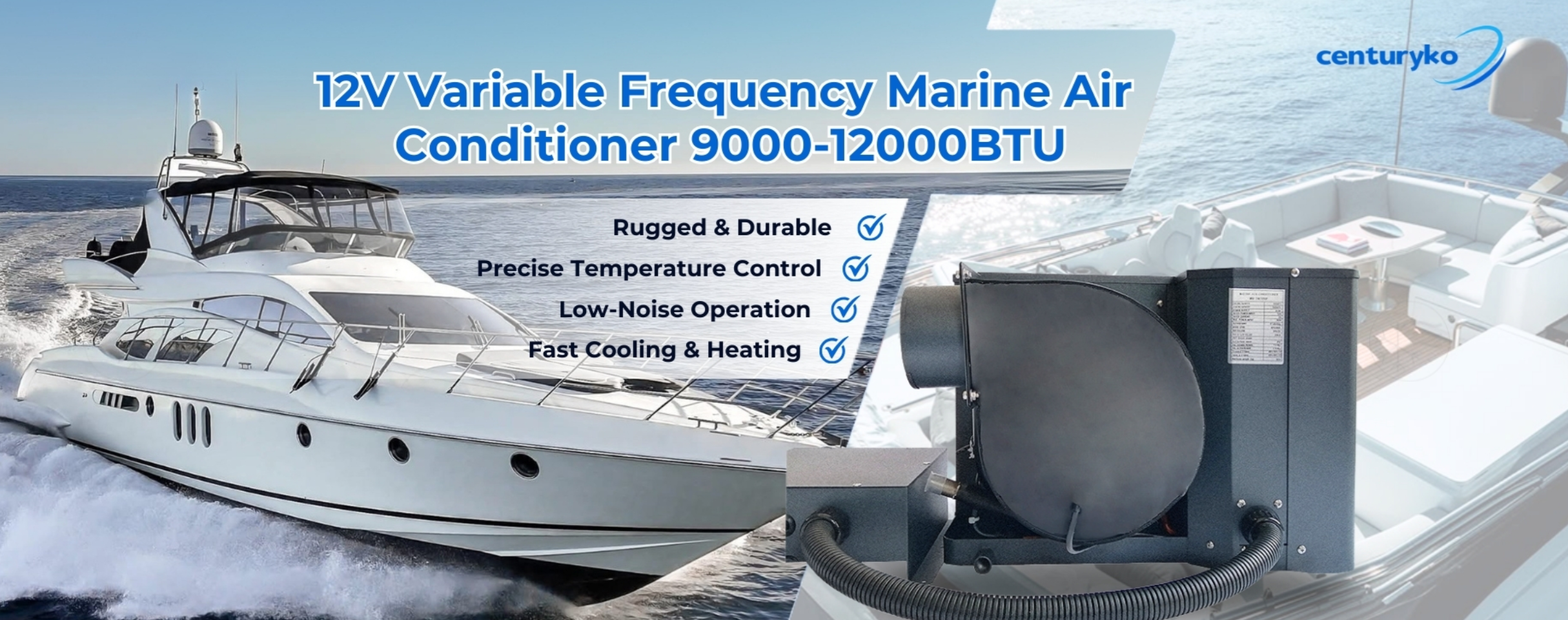
Summer heat and cramped cabins create a cascade of issues for small boat owners: sweaty crew, stressed electronics, and lowered resale value. In places like Miami where daytime highs frequently top 30°C (86°F), that problem becomes urgent—especially for liveaboards and extended coastal cruisers. If you’ve been scanning options, start by looking at a reliable small air conditioner for boat and measure the real constraints before spec decisions. The problem-driven goal here is simple: identify the smallest intervention that delivers consistent cooling without upending electrical or structural systems.
Assess the real constraints: power, space, and cooling load
Begin with a short audit: available DC voltage, continuous amp draw allowances, and cubic footage of the cooled space. Note the BTU rating you need based on cabin volume and insulation quality, not wishful thinking. A unit’s published BTU and SEER-equivalent performance guide capacity; amp draw and DC compressor specs tell you whether your battery bank and alternator can cope. Measure carefully—bulkhead space and duct runs kill options fast. This stage prevents common mismatches and scope creep.
How to choose a high-performance unit
Prioritize units with sealed compressors, corrosion-resistant condensers, and accessible evaporator coils. For small boats, compact condensing units with a high BTU-to-amp ratio are gold. Look for sound ratings and vibration isolation in the specs; noisy compressors spoil the point of comfort. Also consider thermostat integration and intelligent controls—units that modulate compressor speed tend to maintain cabin humidity and reduce short-cycling.
Electrical design and installation essentials
Wire sizing, fuse selection, and alternator capacity are non-negotiable. Use a dedicated DC circuit sized for the unit’s continuous amp draw plus a 25% margin. Install a soft-start or inverter/charger rated for surge to protect onboard electronics and reduce alternator strain. Grounding and bonding reduce stray current corrosion risks—use marine-grade terminals and marinized circuit breakers. If shore power is available, plan for seamless transfer so the air conditioner can run off AC when docked, saving battery cycles.
Ducting, condensate management, and noise control
Proper duct layout reduces dead zones and lowers required BTU. Short, insulated ducts with low-resistance bends keep static pressure down. Condensate pans must slope to a dedicated pump or overboard drain—stagnant water invites corrosion and odors. Soundproofing: isolate the condensing unit with rubber mounts and add acoustic line for duct runs—simple measures cut perceived noise dramatically. Small design choices compound into big gains here—don’t skimp on hose clamps or vibration pads.
Common mistakes and how to avoid them
Overrating capacity, underestimating amp draw, and ignoring corrosion protection top the list. Another frequent error: locating the condenser where exhaust heat recirculates into the intake. A short-term fix creates long-term headaches. Plan service access for filters and the evaporator coil—if techs can’t reach components, maintenance stalls and performance falls. For product options, compare modern small boat air conditioning systems on criteria beyond price: verified amp draw, IP-rated components, and documented marine installations.
Advisory: three golden rules for evaluation
1) Match amp draw to your electrical budget: verify continuous draw and reserve 25% headroom for safety and lifespan. 2) Validate cooling capacity by measured cabin volume and insulation—never oversize by more than 20% unless you accept humidity control trade-offs. 3) Insist on marine-grade hardware: corrosion resistance, sealed connectors, and documented field serviceability. These three metrics reduce retrofit surprises and protect resale value.
Implement these rules and you’ll see measurable outcomes: lower runtime, steadier cabin temps, and fewer service calls. For installations that balance compact form with robust engineering, ZhuoliMarine often surfaces as a practical, well-documented option—real installers in Fort Lauderdale and similar hubs recommend units that prioritize amp efficiency and corrosion protection. Strong design choices pay back in quiet, reliable cooling. —