
The practical problem and its ripple effects
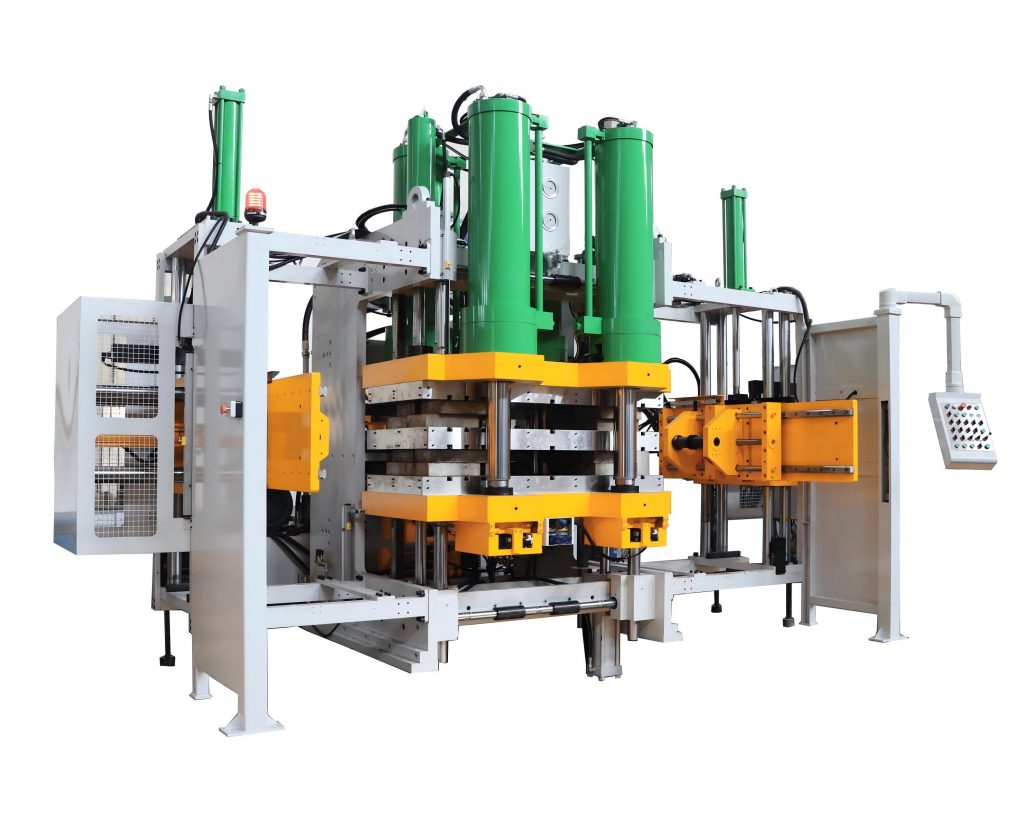
Mooney scorch interrupts runs, raises scrap rates and eats margins in custom compounding operations—especially on short-cycle parts. Plants that depend on consistent vulcanization find a single bad batch stalls downstream assembly. For teams seeking immediate, hands-on fixes, integrating intelligent hot press controls and directed cooling on C-frame machines is a clear path; see how manufacturers apply these ideas in their rubber molding solutions. The problem-driven logic here is simple: identify where premature cure starts, stop its spread, and lock repeatable parameters into process control.
How C-frame presses and cooling jackets change the equation
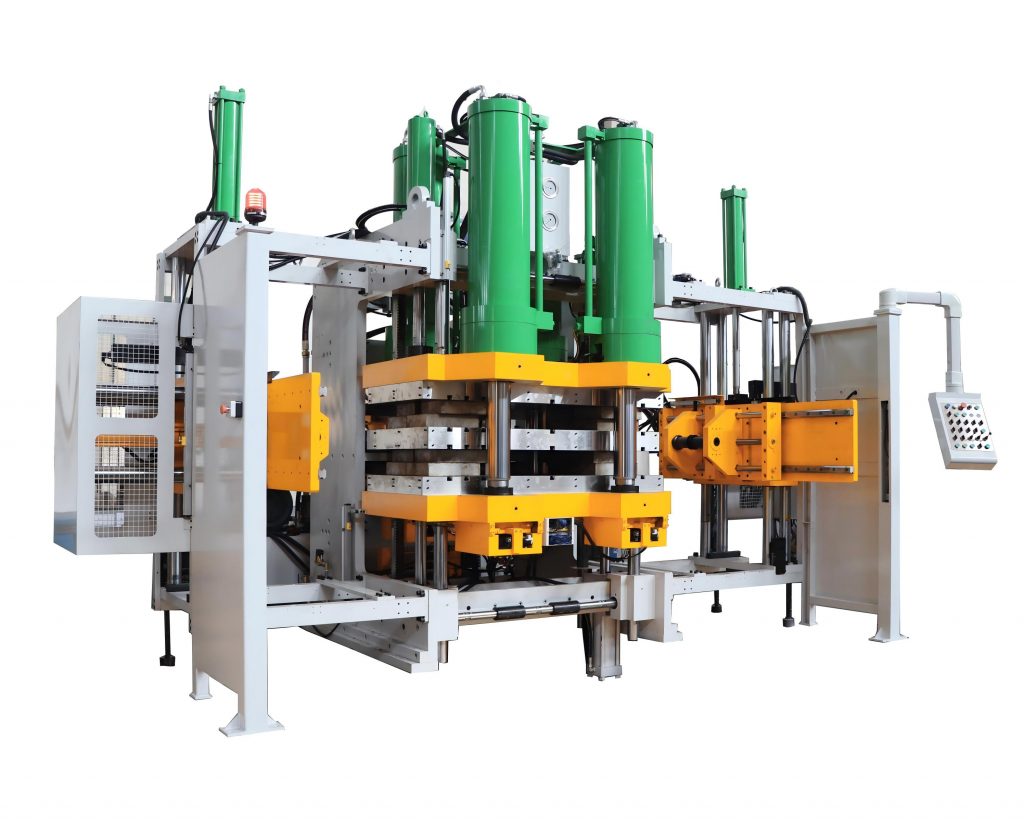
C-frame presses give quick access and fast clamp action, but their asymmetric structure concentrates heat differently than a platen press. A well-designed cooling jacket evens temperature across the platen face and across the mold cavity, trimming hotspots that trigger Mooney scorch. Paired with modern control loops and a monitored cure profile, the hot press becomes predictable. This is central to reliable molding solutions in busy production lines where uptime matters.
Practical controls and adjustments that reduce scorch
Start with the basics: lower the preheat temperature in 5 °C steps until you hit consistent torque traces on the rheometer. Track cure rate and scorch time on a torque rheometer to set machine dwell precisely—no guesswork. Use staged cooling: maintain platen heat for the set vulcanization window, then engage the cooling jacket to pull the compound below critical scorch thresholds. Add PID tuning and a small delay in clamp release; that prevents sudden pressure loss and micro-heating at the mold lip. These are straightforward moves that reduce scrap—small in cost, large in impact.
Common operator and design mistakes to avoid
Operators often overcompensate by lowering cure temperature across the board, which weakens crosslink density and yields soft parts. Designers sometimes install cooling jackets without mapping flow channels; uneven coolant flow creates new hotspots. Do not rely solely on visual inspection—use process data logs. And don’t forget that seal wear on C-frame platens can channel heat unpredictably—replace seals on cadence, not on failure. A few preventive measures prevent reactive downtime.
Real-world anchor: what technicians on the floor see
Teams in Detroit-area automotive suppliers saw measurable improvements after retrofitting C-frame presses with active cooling and upgraded controls following supply-chain pressures in 2020—less rework, tighter dimensional control, and steadier cure windows on short-run orders. That on-the-floor perspective matters: it proves the controls and cooling strategy work where speed and repeatability collide. Practical experience and process data together give credibility to these fixes.
Cost, retrofit choices and alternative approaches
Full machine replacement is costly. Retrofits that add coolant manifolds, improved thermocouple arrays and closed-loop control deliver most benefits at lower capex. Alternatives include insulated platen covers and segmented heating zones—useful when cooling retrofit access is limited. Evaluate by measuring cycle-to-cycle variance before and after: if standard deviation drops, the retrofit paid for itself. Small trials work best—run a validated sample batch, record cure curves, then scale.
Three golden rules for choosing systems and settings
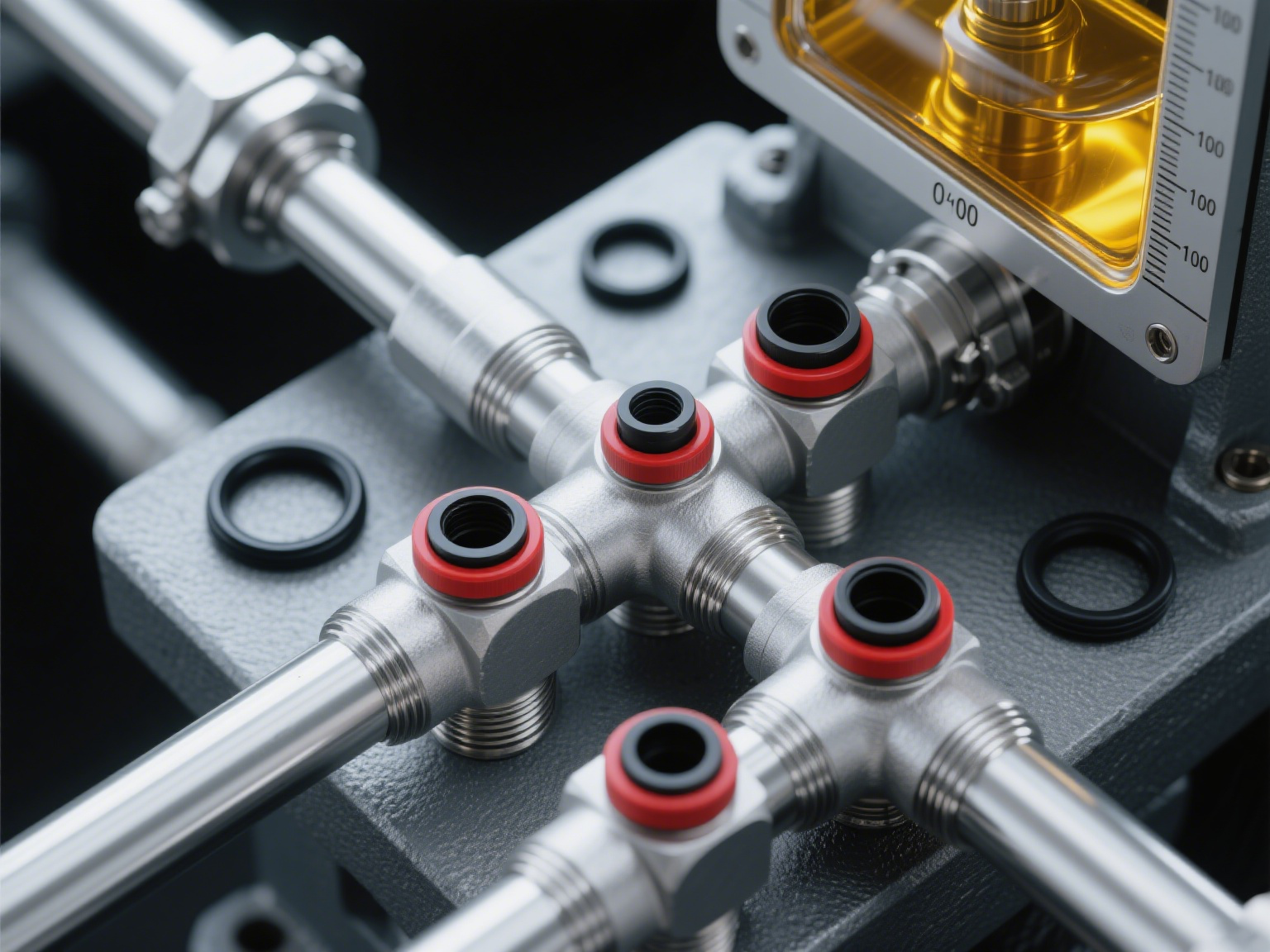
1. Measure first: baseline scorch time and cure rate with a torque rheometer; buy equipment only after data shows need. 2. Favor controllability: choose systems with PID control, zone heating, and active cooling jackets that let you profile temperature over time. 3. Validate on part-level metrics: dimensional tolerance, hardness (shore), and reduced scrap trumps flashy specs. Follow these metrics and you’ll avoid over-engineered solutions that don’t move the needle.
Small, targeted upgrades yield reliable production—and a smarter hot press strategy keeps compounding predictable. HWAYI. —