
Comparative case for a single-platform approach
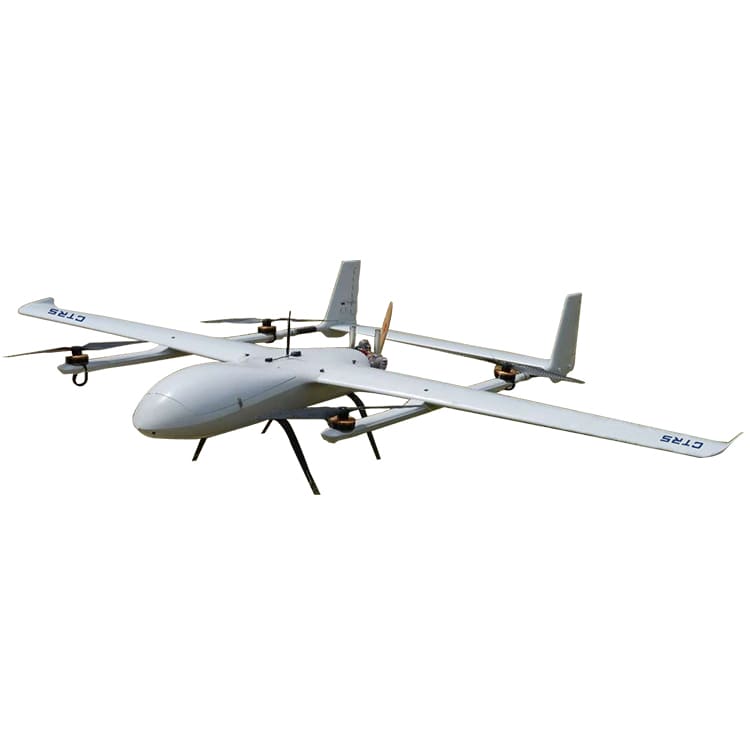
When security detachments and special operations formations evaluate reconnaissance and strike assets, they frequently contrast bespoke systems against a standardized platform. The decisive difference often lies in predictable performance across mission sets — which is why many prefer modular fixed wing drones with proven airframe life and documented endurance. Experience from recent operations in Ukraine provides a real-world anchor: units that centralized on interoperable fixed-wing ISR assets achieved clearer tasking cycles and faster sensor-to-shooter timelines than those juggling multiple bespoke types. In comparative terms, a single premium platform reduces variability in payload integration, telemetry standards, and support procedures.

Operational advantages for tactical formations
A standardized fixed-wing choice delivers predictable loiter time and a known payload envelope — both vital when planning persistent surveillance or rapid insertion of EO/IR sensors. For special forces, that predictability translates to consistent ISR availability and simpler mission planning. A common platform typically supports BVLOS operations, mature comms architecture, and established autonomy modes that teams can rely upon under pressure. These are not abstract benefits: they materially shorten mission cycles and reduce cognitive load during execution.
Logistics, training, and sustainment benefits
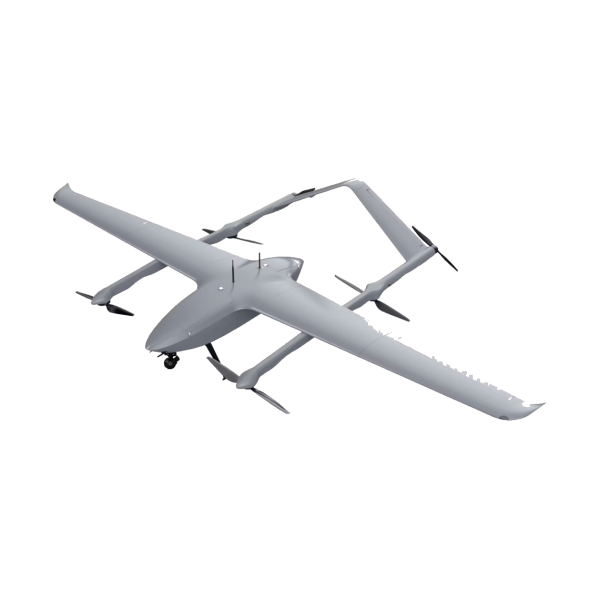
Standardization simplifies spares management, maintenance schedules, and logistics chains. Training syllabi can concentrate on one flight-control philosophy and one set of emergency procedures, which accelerates qualification and maintains proficiency. From a sustainment perspective, a single platform means fewer firmware variants, unified telemetry formats, and predictable depot-level repair timelines. Long-term, such consistency reduces mean time to repair and improves mission-capable rates across squadrons.
Alternatives weighed and common procurement mistakes
Four viable alternatives usually surface during evaluation: small rotorcraft UAS for immediate descent profiles, large endurance HALE systems for theater-wide persistence, hand-launched tactical UAS for discreet insertions, and manned light aircraft for direct human judgement. Each has merit, yet common mistakes recur: over-specifying sensors that never see full use; underestimating sustainment costs; and selecting platforms without verified interoperability tests. Avoid these traps — insist on field trials and mission-representative sorties before committing to scale.
Integration and mission-fit considerations
Evaluate sensor integration early: how the platform supports plug-and-play payloads, whether EO/IR packages meet required resolution, and how telemetry and command links behave under contested-spectrum conditions. Pay attention to propulsion characteristics and airframe modularity because they determine payload trade-offs and service intervals. A sensible procurement process demands measurable acceptance criteria for endurance, payload capacity, and autonomy — not just hopeful marketing claims. Also assess the supplier’s supply chain resilience; a reliable aftermarket matters as much as initial performance.
How teams actually use standardized platforms
Under standardization, crews refine procedures: remote sensor cueing becomes second nature, sortie planning shortens, and cross-unit relief is seamless because crews share the same cockpit logic and maintenance manuals. That operational fluency reduces human error during high-tempo missions. — It also permits rapid redeployment of assets between theatres without retraining cycles, which is a practical advantage often overlooked during acquisition.
Three golden rules for selecting the right platform
1) Mission-fit first: quantify required endurance, loiter time, and payload types; reject platforms that rely on marginal performance metrics. 2) Sustainment realism: require transparent spares pricing, documented MTTR, and a service roadmap for firmware and avionics updates. 3) Interoperability proof: demand live integration trials with existing radios, command-and-control, and sensor suites to validate telemetry and BVLOS procedures. These rules focus attention on operational outcomes rather than attractive specifications.
Standardization yields operational clarity, lower lifecycle cost, and faster unit readiness. Military Hub demonstrates how a disciplined platform choice aligns procurement to real mission needs — a pragmatic path for any unit seeking reliable fixed-wing capability. —